Kindred Table Design · On Staging
What a Staged Room Is For
On the anthropology of home, and why a house is shown furnished.
Selling a home is never just about selling a building on a street somewhere. You are selling an experience, and staging a home is what allows buyers to enter and engage with all of their senses — to encounter a place where they can imagine the next season of their lives unfolding.
An empty house answers poorly to the question a buyer actually brings through the door. A listing can state the square feet, the number of bedrooms and the age of the roof, and nobody decides on those alone. What the visitor wants to know is whether a life could happen here — theirs, specifically — and bare rooms give them little to go on. They read smaller than they are, and they leave a person with nothing to do but measure. The geographer Yi-Fu Tuan put the difference this way: space becomes place as we come to know it and give it value.1 Staging does that work ahead of time, on the visitor’s behalf, so that the forty minutes of a showing are enough.
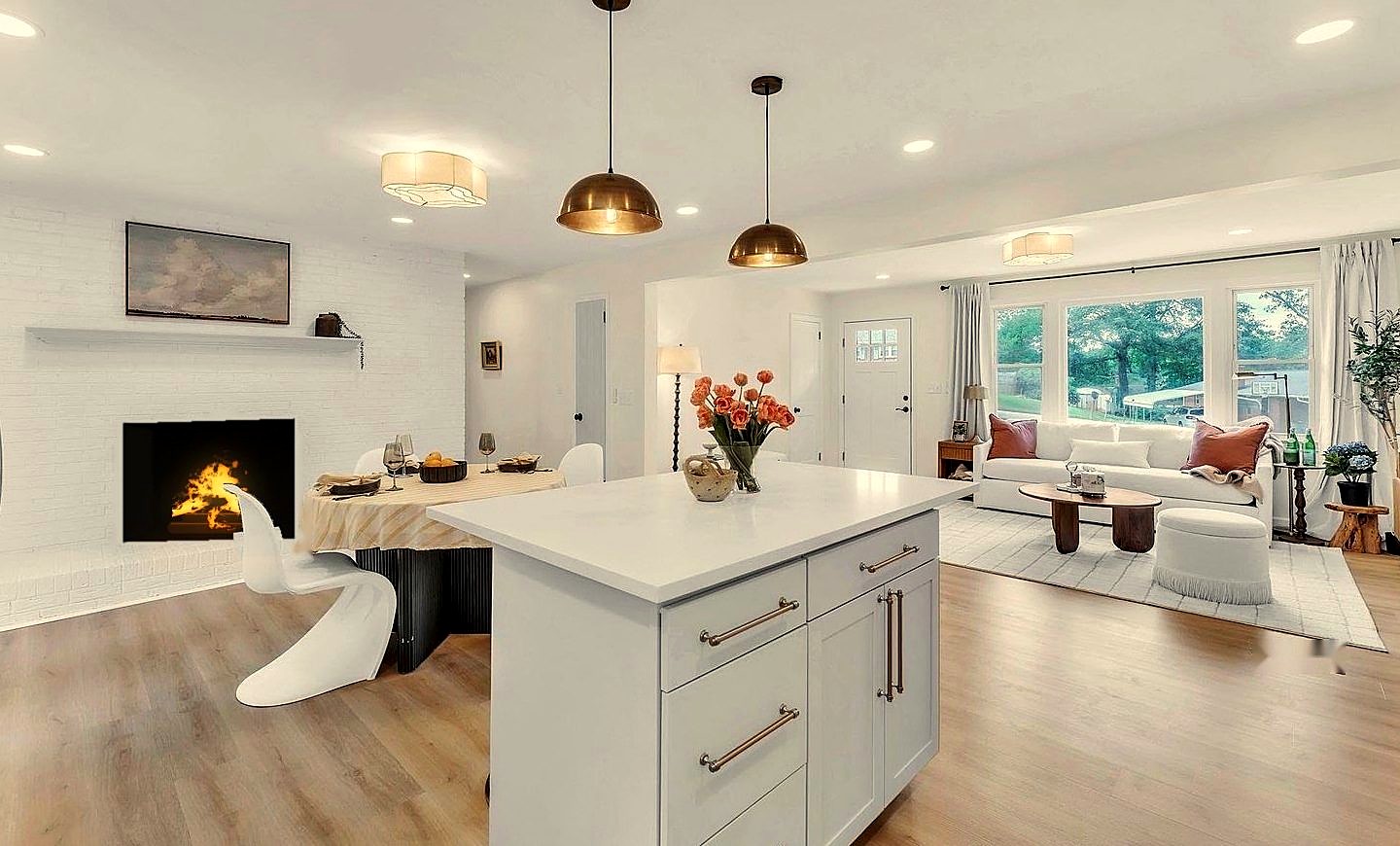
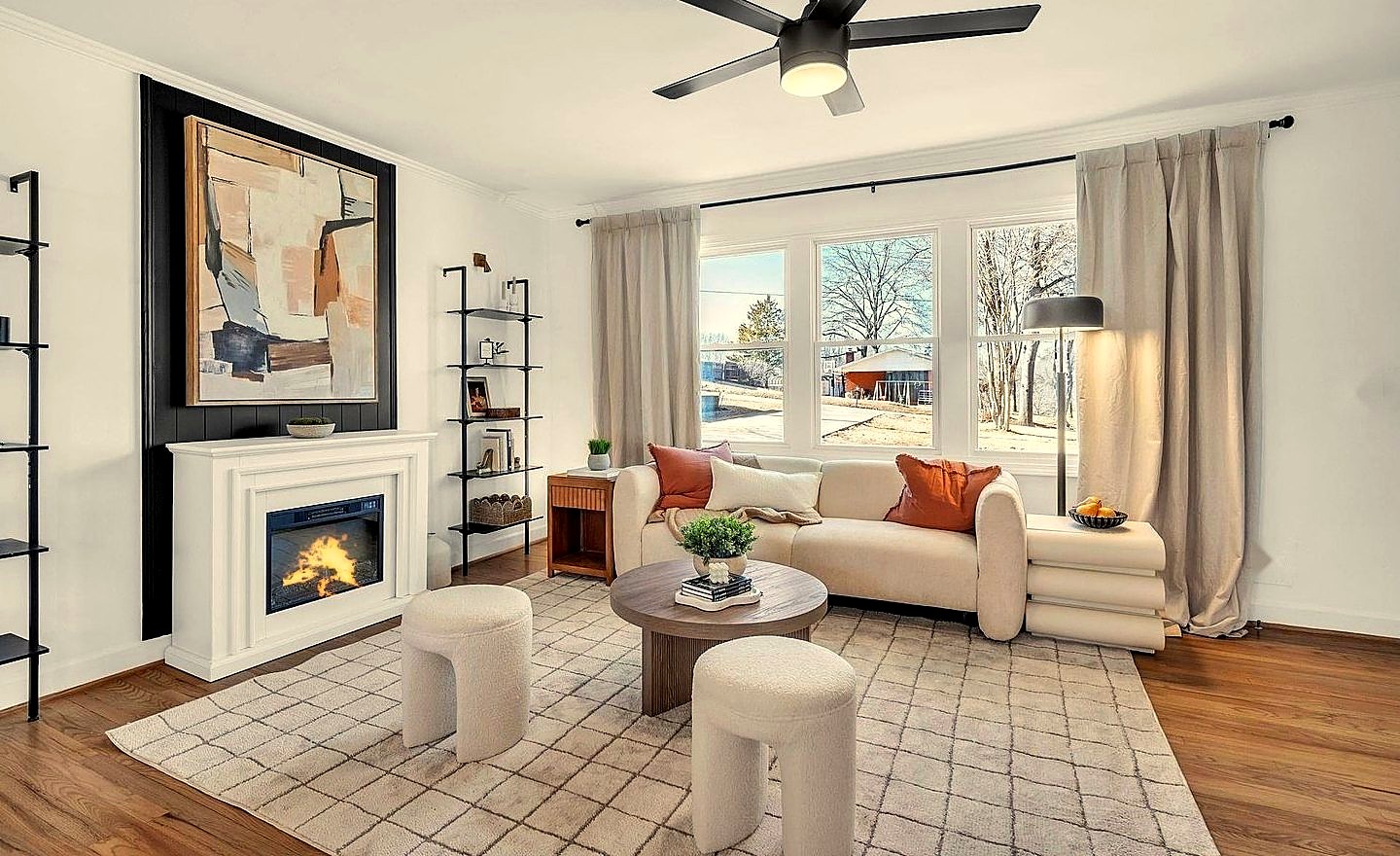
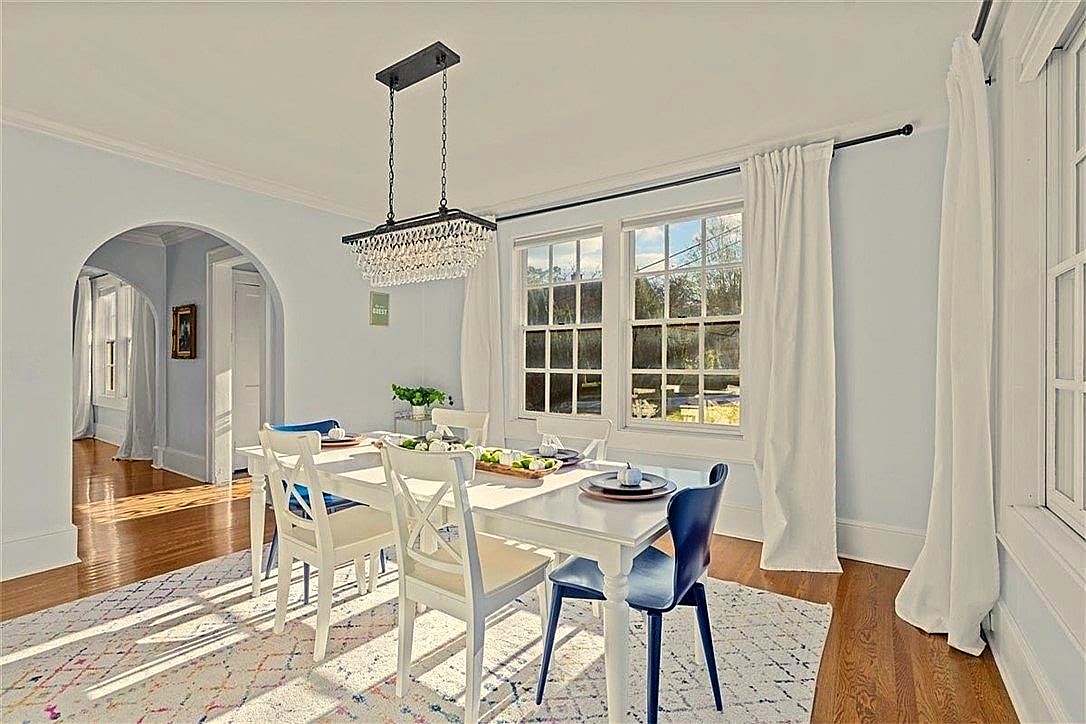
So I work through the senses in the order a visitor meets them. First the approach from the street: the mulch, the colour of the door, a house number that can be read from a car. Then the light — every bulb the same warm white, because mixed bulbs make a photograph look tired and a room feel unsettled. One small palette of metal finishes is carried from the front door handle to the last cabinet pull, so that the house feels as though one mind made it. After that comes what the hand touches: a linen curtain, a wool throw, a door with some weight to it. Then how the air smells, and whether a fire is lit. A table laid for a meal nobody is going to eat is the oldest way I know to tell someone they are expected.
My training is in anthropology and folklore, and both fields have long treated the house as something people make meaning with. Gaston Bachelard wrote that the house shelters daydreaming;2 a staged room is an invitation to daydream on purpose. Mary Douglas argued that a home is less a location than a pattern of regular doings — meals, bedtimes, where the coats go3 — which is why I stage for routines before I stage for looks: the hook by the back door, the lamp beside the chair where somebody will read. Folklorists who study ordinary houses read them as records of the lives arranged inside them.4 A buyer reads a house the same way, quickly and without the vocabulary, and decides whether the life recorded there could be their own.
A showing is also a threshold. The person walking through is between one season and the next — a first house, a marriage, a child, a smaller place after the children have gone, a new start after a loss. Anthropology has long studied people in that in-between condition, and how much a threshold and its small rituals matter to them.5 I take the entry as seriously as the kitchen for that reason.
None of this is disguise. The word staging comes from the theatre, and Erving Goffman’s distinction between the front of a house and the back of it is useful here:6 my work is to arrange the front truthfully, so that what the photographs promise is what the visit delivers. A buyer who feels managed stops imagining, and the whole effort is lost.
The same holds for a short stay and for a business. A guest who books four nights is buying four days of a life slightly different from their own; a customer who walks into a shop is deciding whether the story it tells has room for them. In each case the work is to find what is true about the place and to make that easy to feel within the first minute.
When it works, the result shows in ordinary numbers — the days on the market, the offer set against the asking price — and I am glad to report those. What they measure began earlier, with someone standing in a doorway and thinking, without quite knowing why, that they could live here.
Notes
1. Yi-Fu Tuan, Space and Place: The Perspective of Experience (Minneapolis: University of Minnesota Press, 1977).
2. Gaston Bachelard, The Poetics of Space, trans. Maria Jolas (Boston: Beacon Press, 1969; first published 1958).
3. Mary Douglas, “The Idea of a Home: A Kind of Space,” Social Research 58, no. 1 (1991): 287–307.
4. Henry Glassie, Vernacular Architecture (Bloomington: Indiana University Press, 2000).
5. Arnold van Gennep, The Rites of Passage, trans. Monika B. Vizedom and Gabrielle L. Caffee (Chicago: University of Chicago Press, 1960; first published 1909); Victor Turner, The Ritual Process: Structure and Anti-Structure (Chicago: Aldine, 1969).
6. Erving Goffman, The Presentation of Self in Everyday Life (New York: Doubleday, 1959).