Fieldwork

Harlem and Dubai

February 28 – April 2022 · Home exchanges

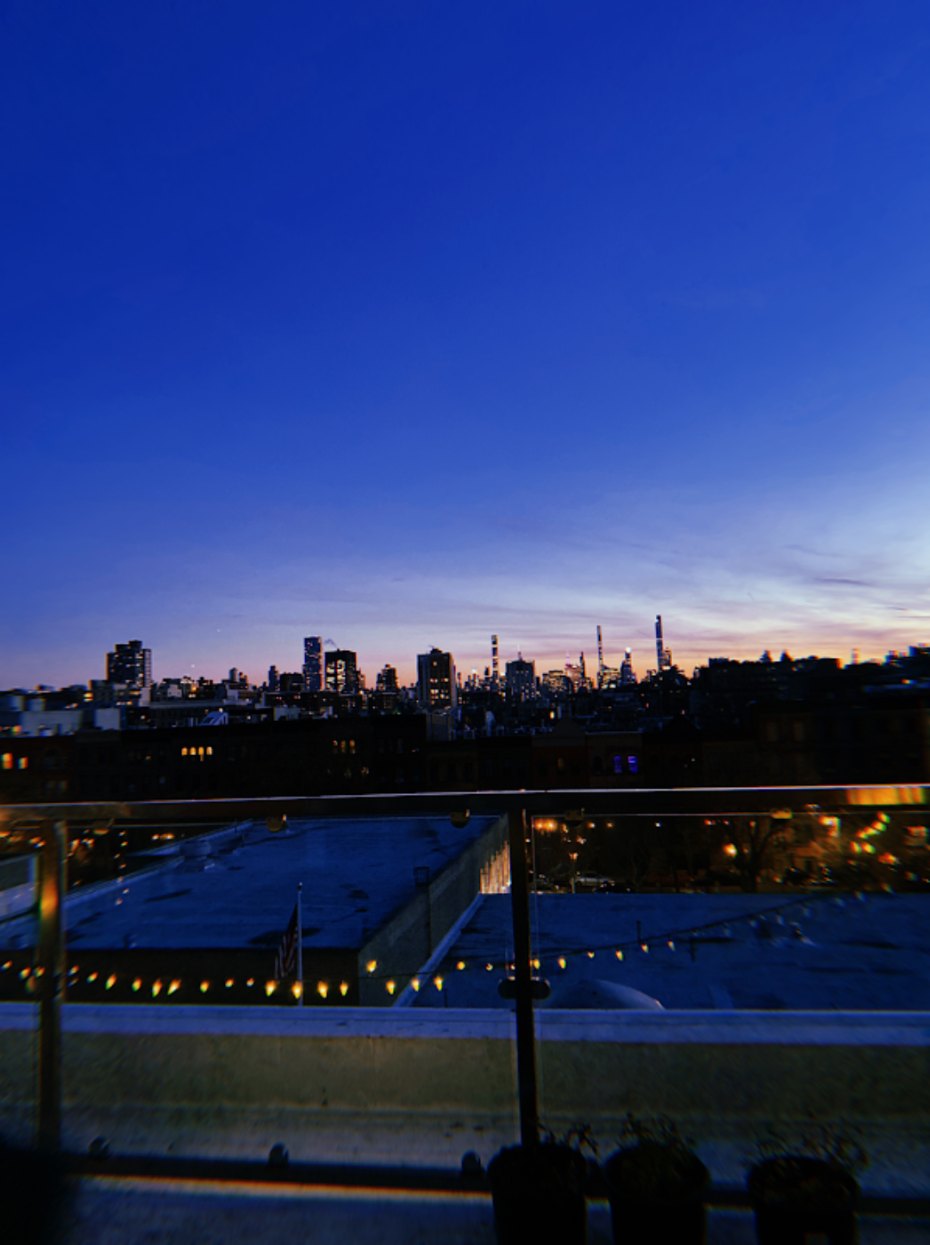
The Manhattan skyline at dusk, seen across rooftops strung with lights.
Dusk over Harlem rooftops, looking south toward Midtown. New York, March 2022. Photo © Keren Threlfall, 2022.
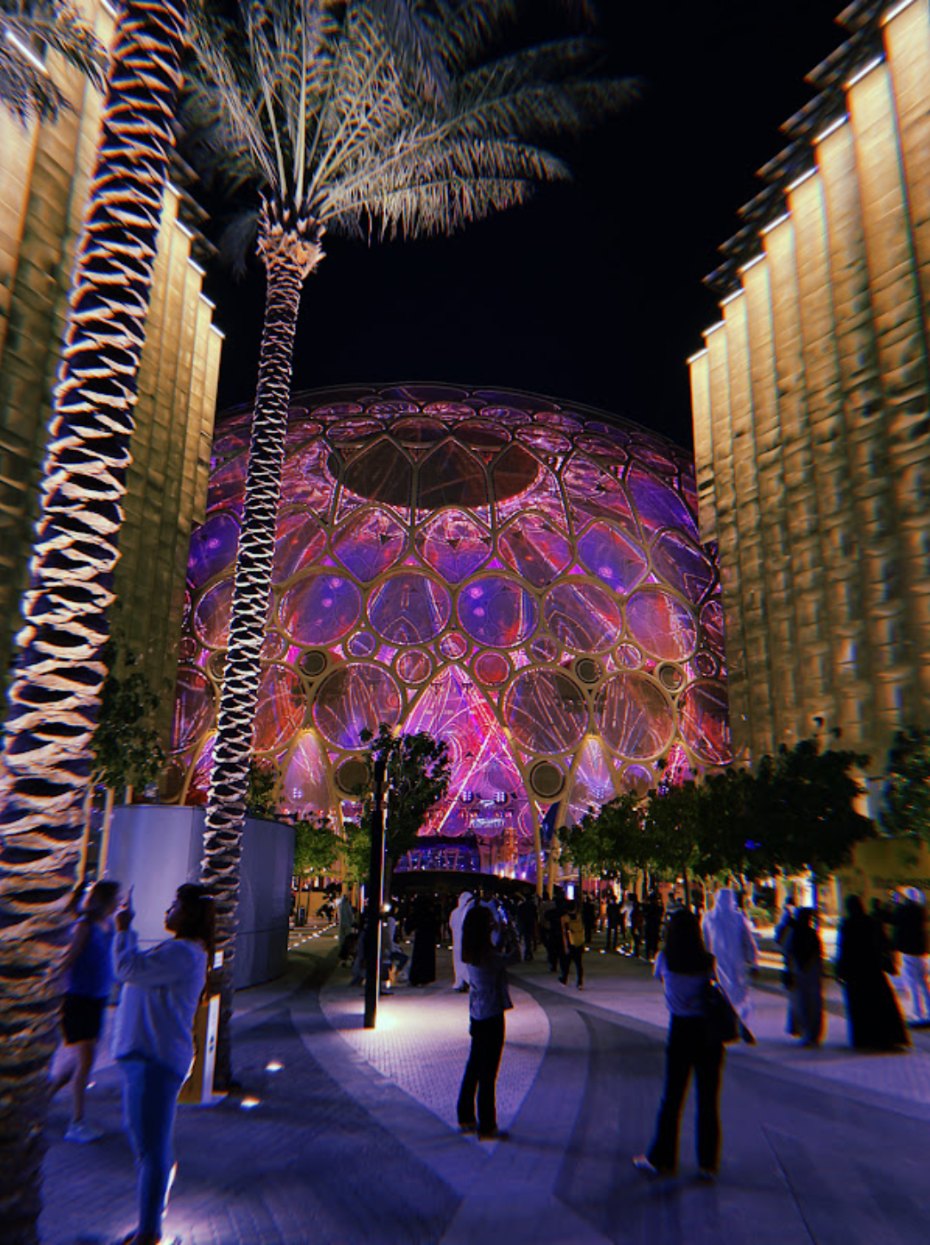
A lit trellis dome at night between sandstone-coloured buildings and palm trees wrapped in lights.
Al Wasl Plaza at night, Expo 2020 Dubai. March 2022. Photo © Keren Threlfall, 2022.
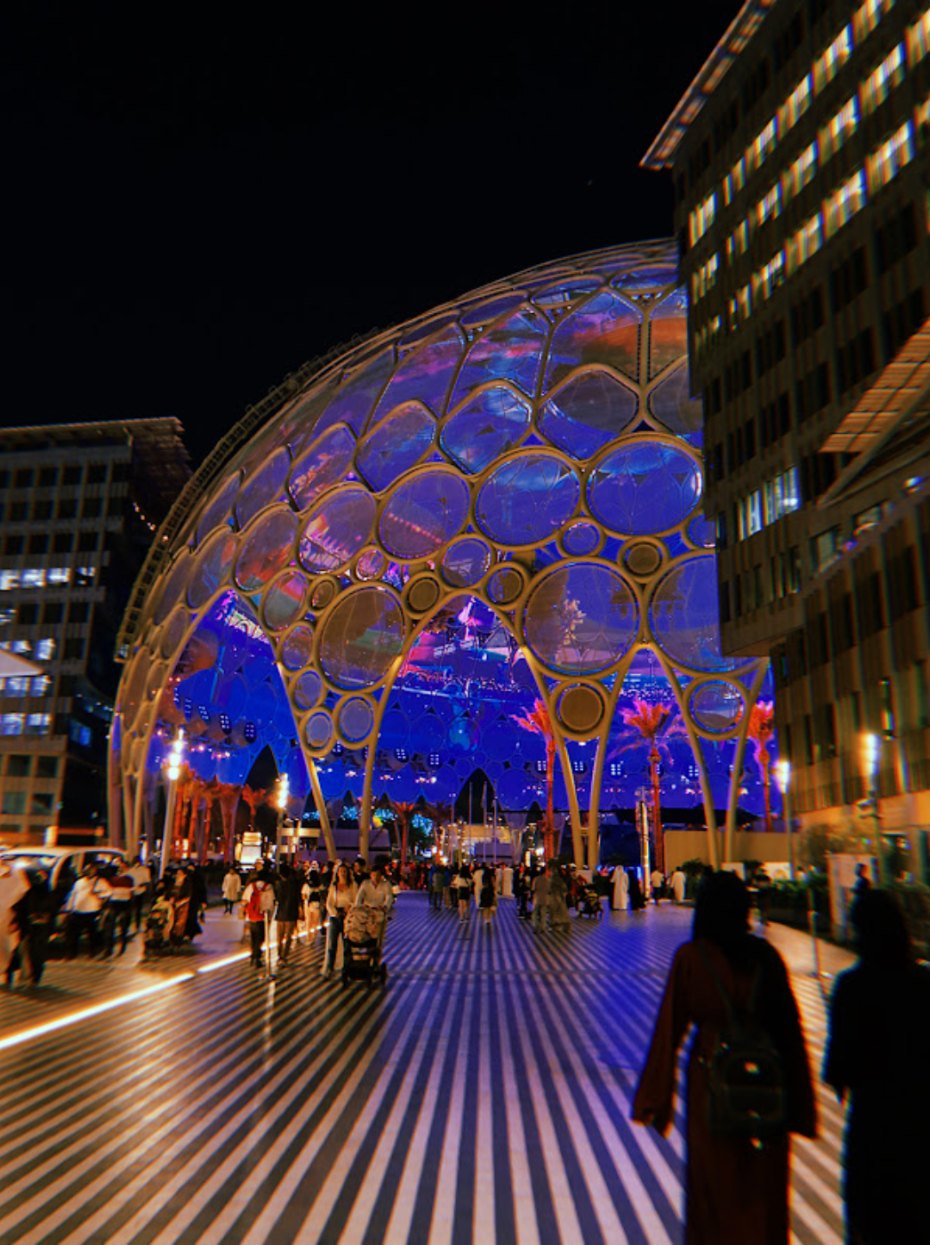
The Al Wasl dome glowing blue above a striped plaza crowded with visitors.
Visitors beneath the Al Wasl dome, Expo 2020 Dubai. March 2022. Photo © Keren Threlfall, 2022.
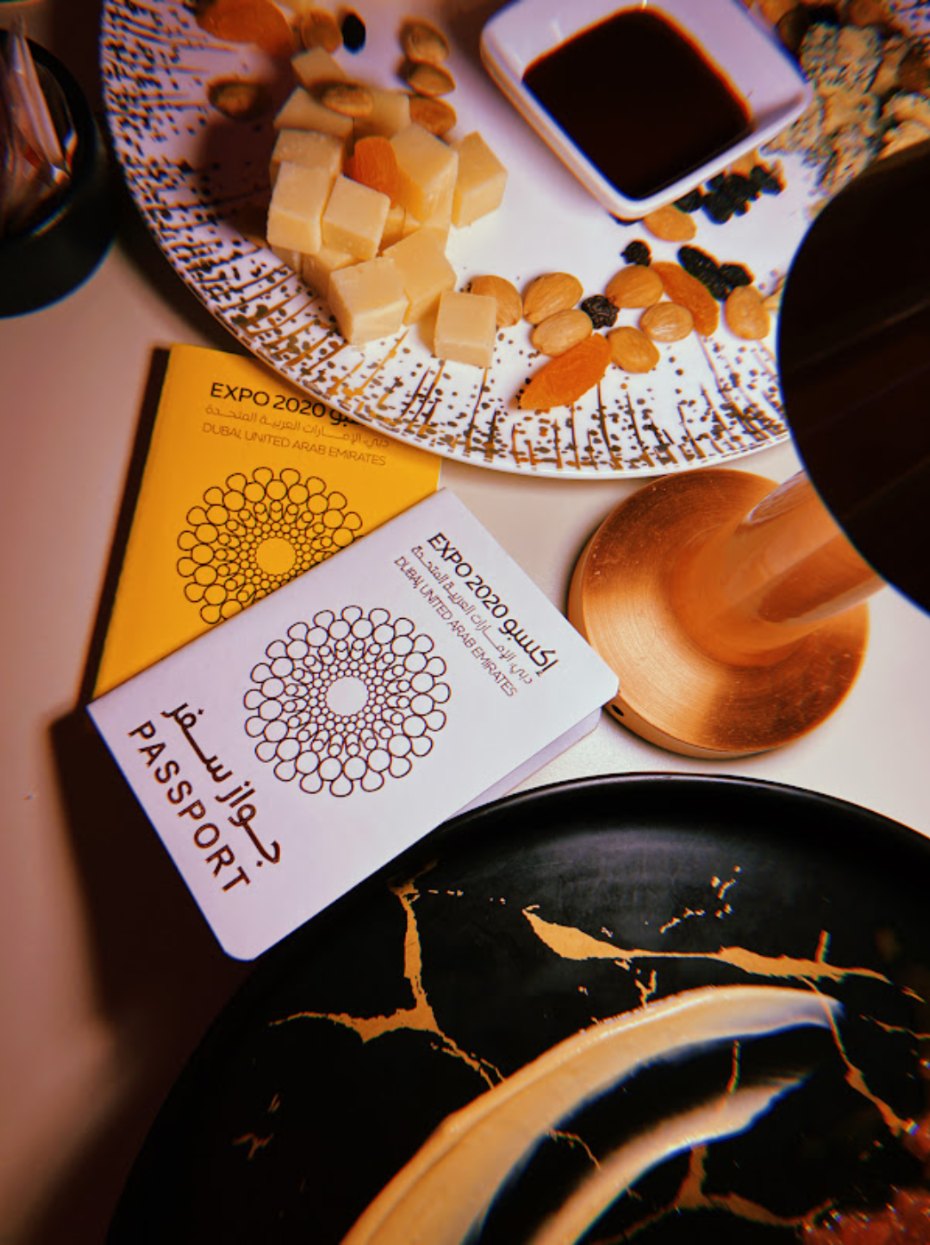
Two Expo 2020 souvenir passports, one yellow and one white, on a table beside a plate of cheese, nuts and dried fruit.
Expo 2020 passports, stamped pavilion by pavilion. Dubai, March 2022. Photo © Keren Threlfall, 2022.
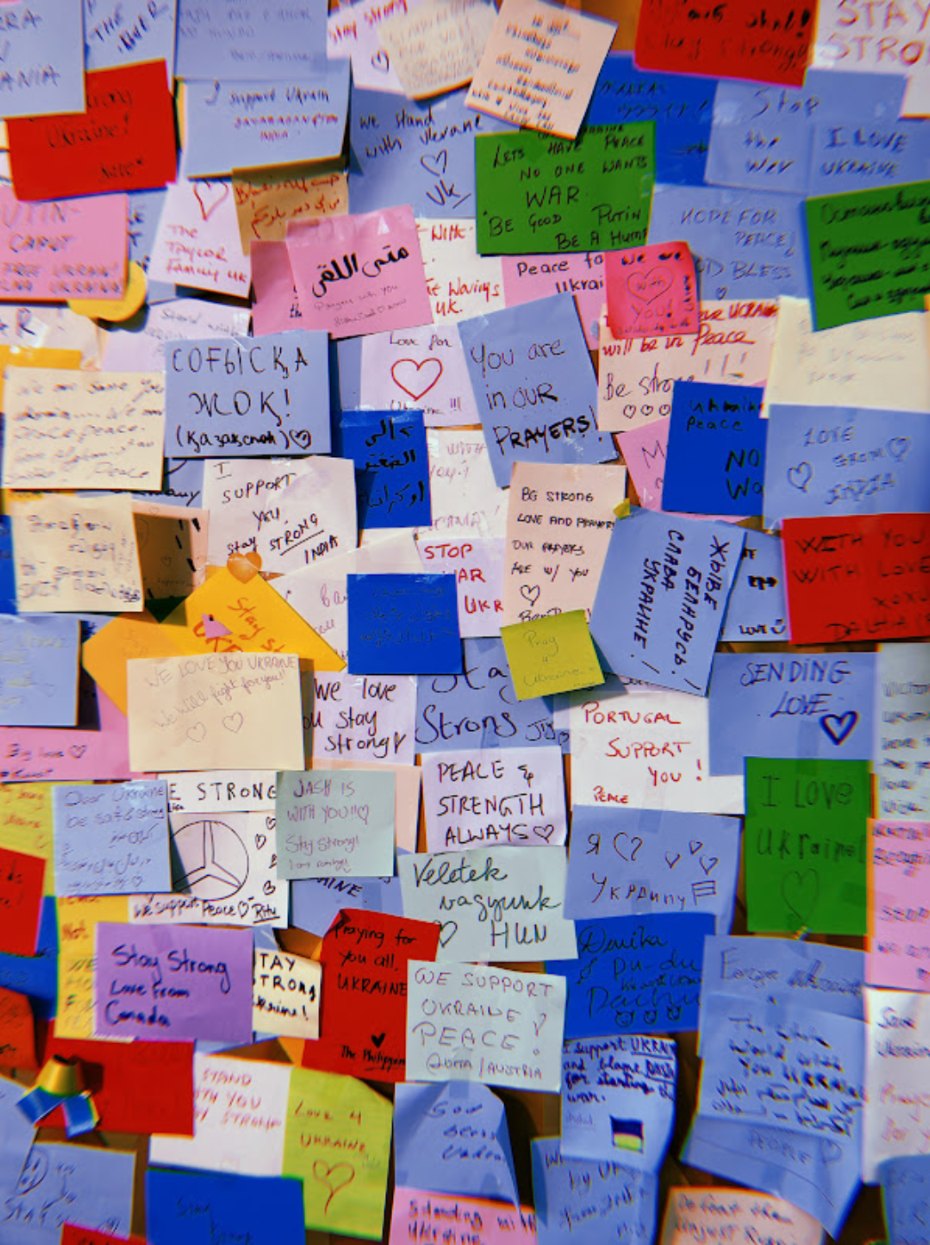
A wall covered in handwritten sticky notes in many languages, most of them messages of support for Ukraine.
Handwritten notes to Ukraine from visitors of many countries, Expo 2020 Dubai. March 2022. Photo © Keren Threlfall, 2022.
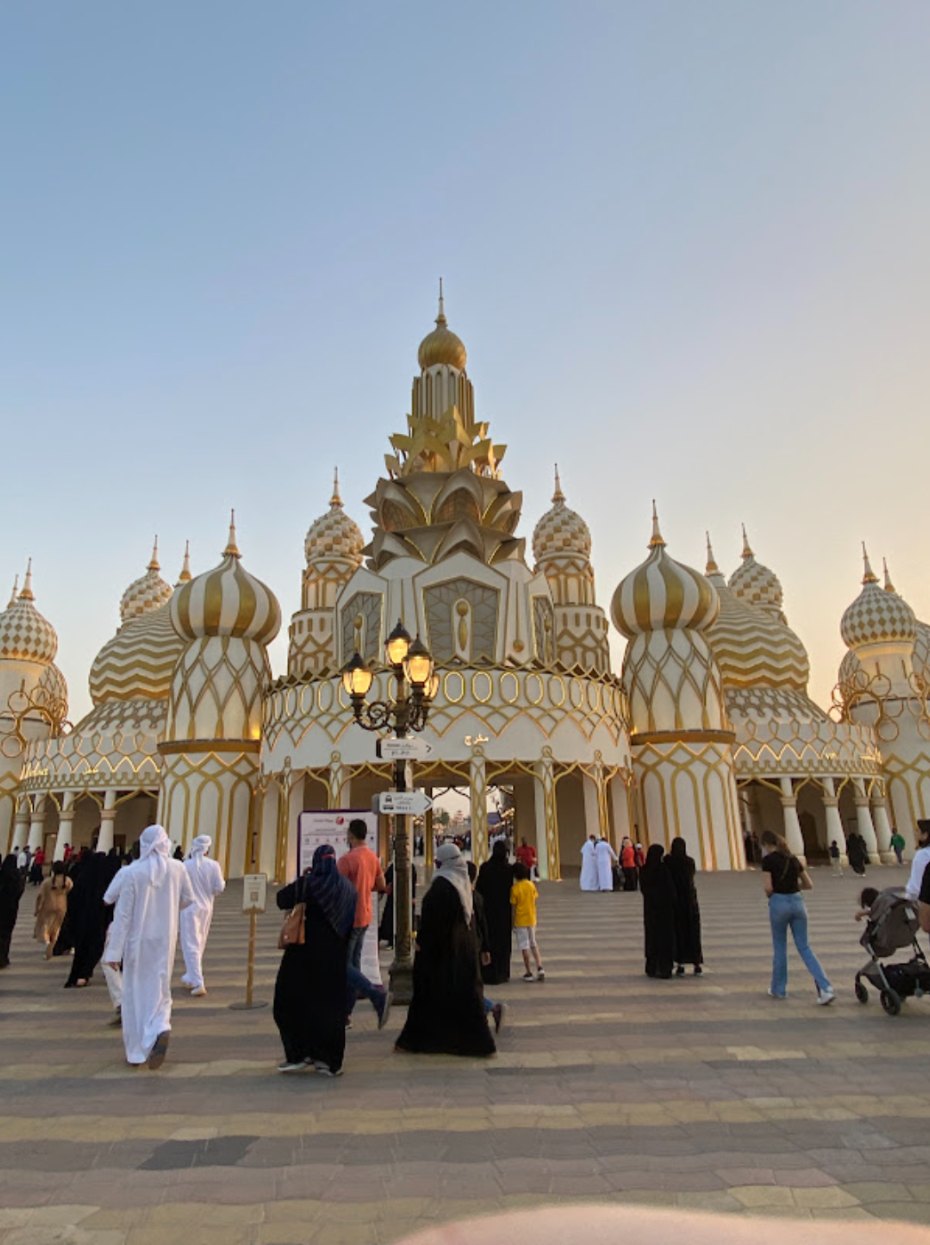
A white and gold building of onion domes at sunset, with visitors crossing the plaza in front of it.
Global Village, Dubai. March – April 2022. Photo © Keren Threlfall, 2022.
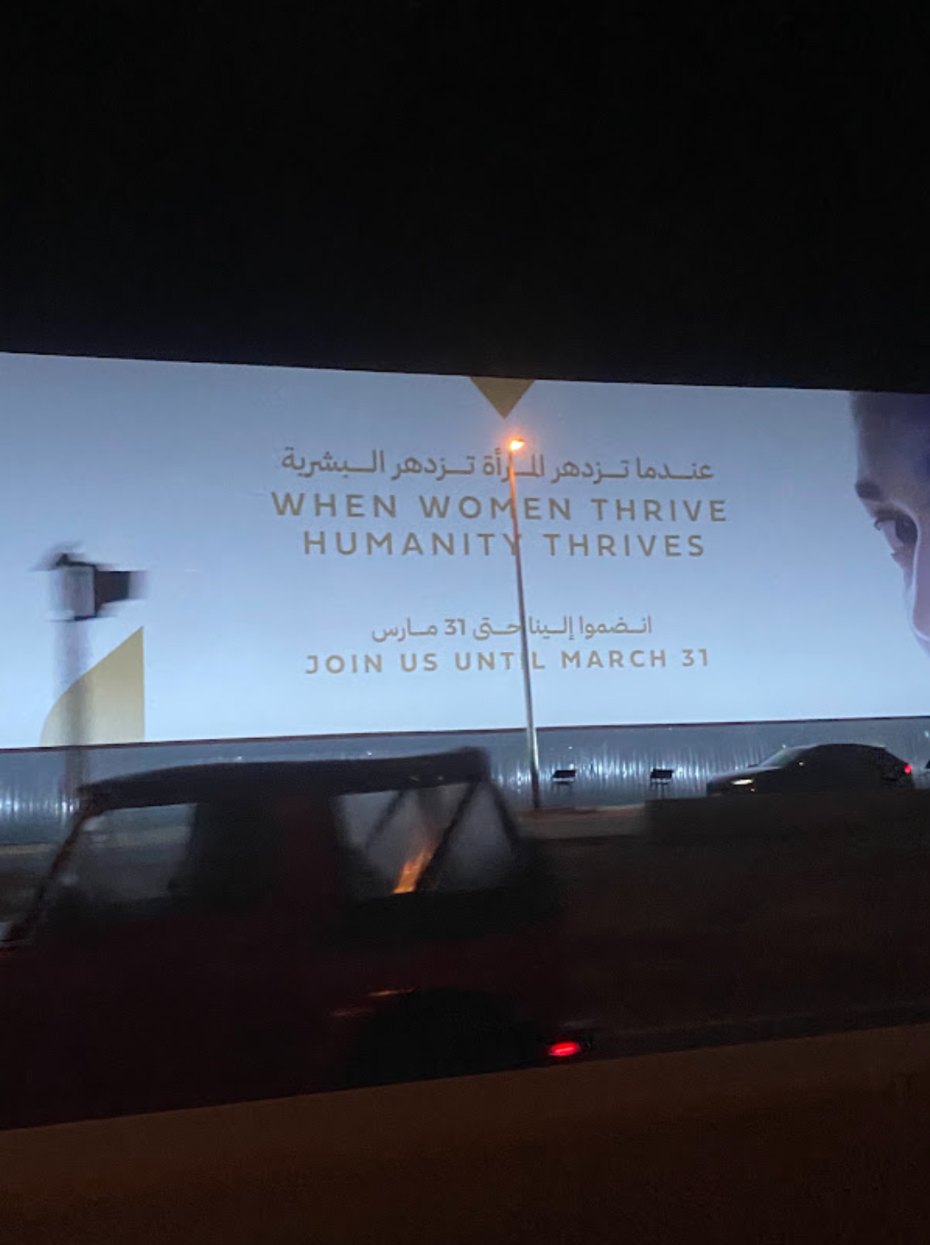
A roadside billboard at night reading When Women Thrive Humanity Thrives, in Arabic and English.
“When women thrive, humanity thrives.” A roadside billboard seen from a moving car, Dubai, March 2022. Photo © Keren Threlfall, 2022.
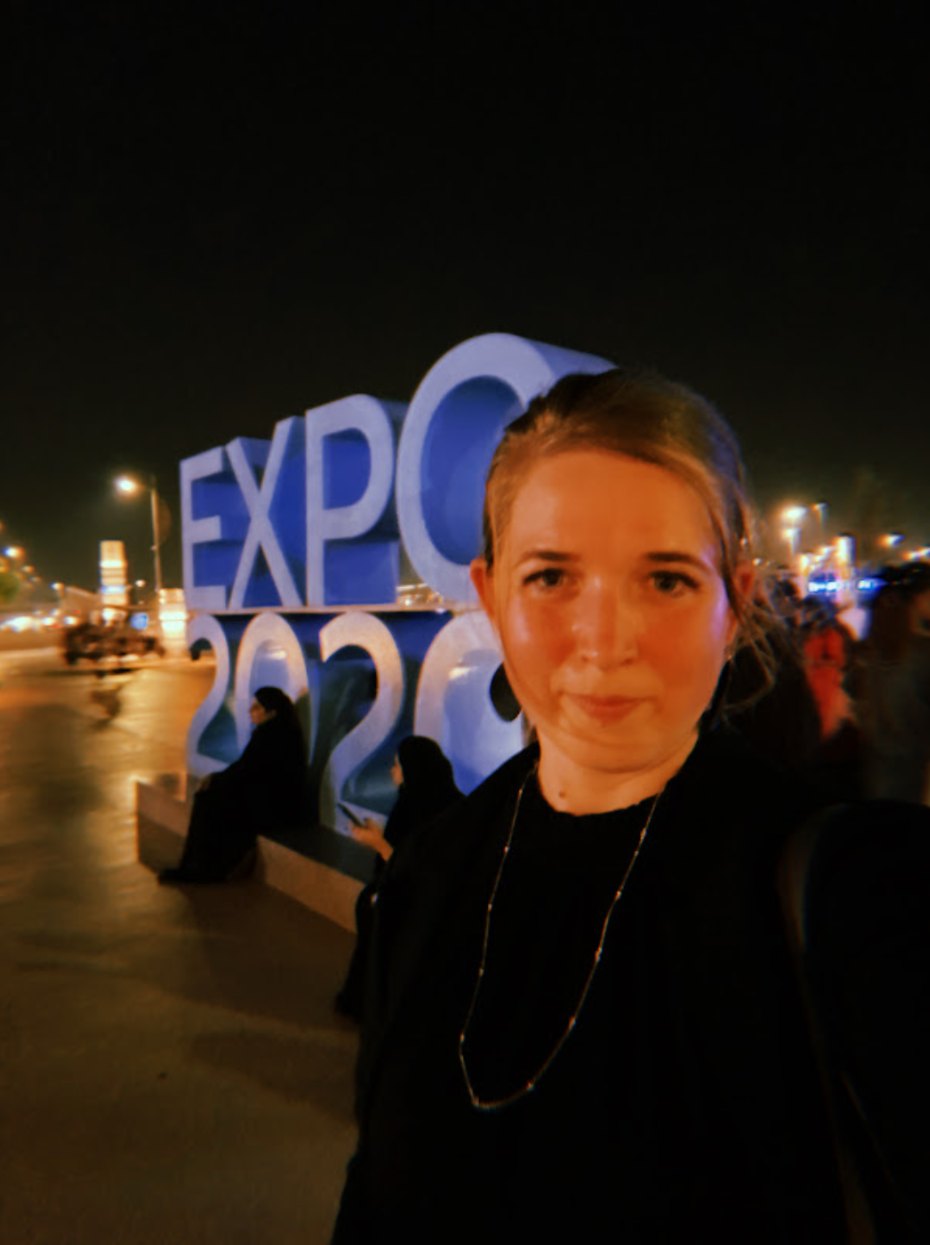
The author at night in front of the Expo 2020 sign.
The author at Expo 2020 Dubai. March 2022. Photo © Keren Threlfall, 2022.
1 / 8

Nearly seven weeks lived in other people’s homes: two in a Harlem brownstone, getting around only on foot and by subway, then four in Dubai during the final weeks of Expo 2020.

Both stays fed the final paper for The Storyteller in Flight: Migrant Narratives, Refugee Camp Cultures, and the Arts of Displacement (ANTH E-1410, Harvard Extension School, Spring 2022), taught by Lowell Brower: On Beginning an Unfinished Project: “Around the World in 80 Beds.”

Tijuana and San Diego

September 24 – 29, 2021 · Field assignment

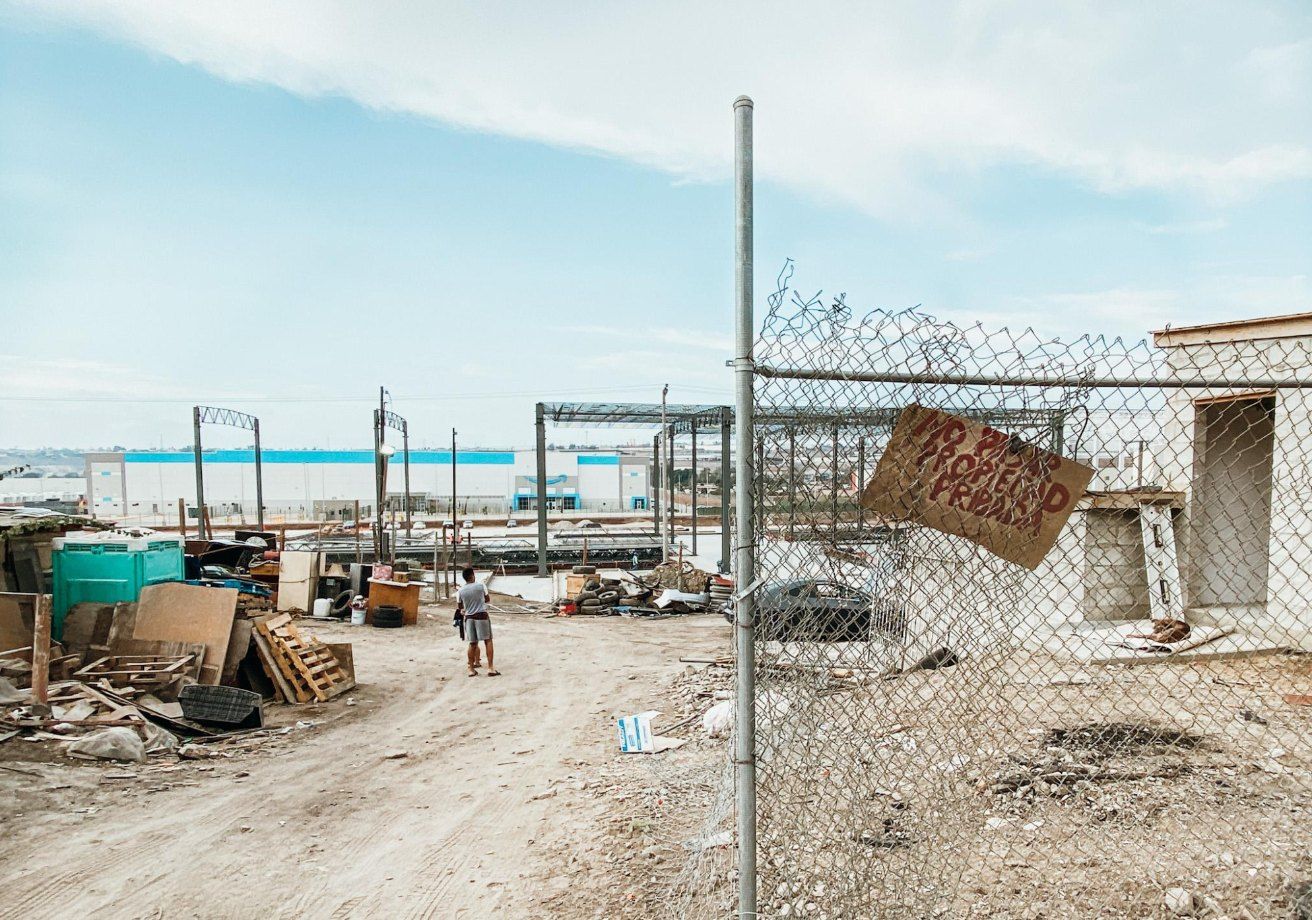
A handwritten cardboard sign on a chain-link fence, with the Amazon facility in the distance.
On the hillside above the new Amazon facility, a handwritten “No Trespassing” sign reads, “No Pasar, Propiedad Pribada.” Tijuana, September 25, 2021. Photo © Keren Threlfall, 2021.
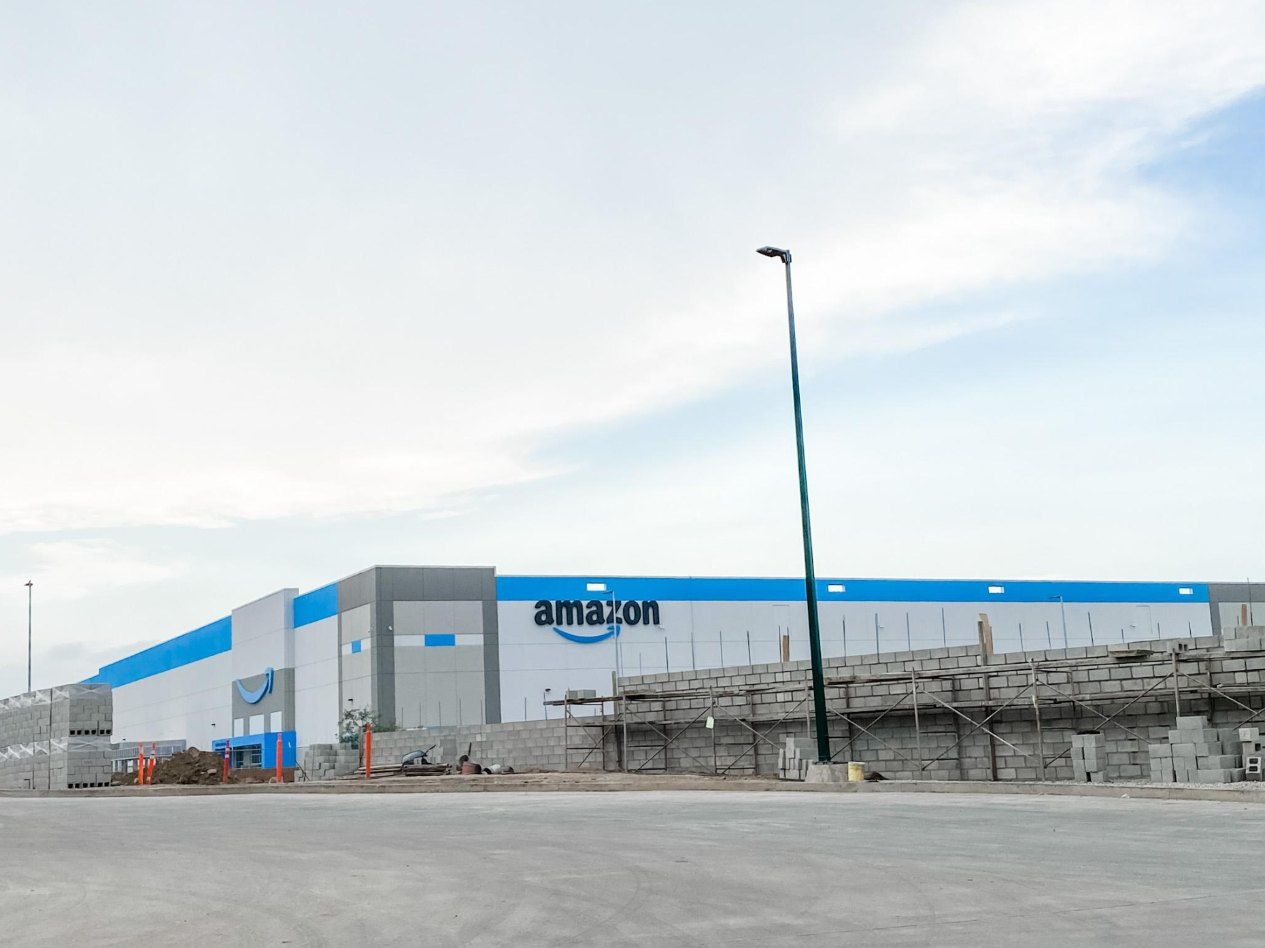
The Amazon distribution center in Tijuana, with scaffolding and unfinished block walls.
Ongoing construction inside the security gates at Amazon’s Tijuana distribution center. September 25, 2021. Photo © Keren Threlfall, 2021.
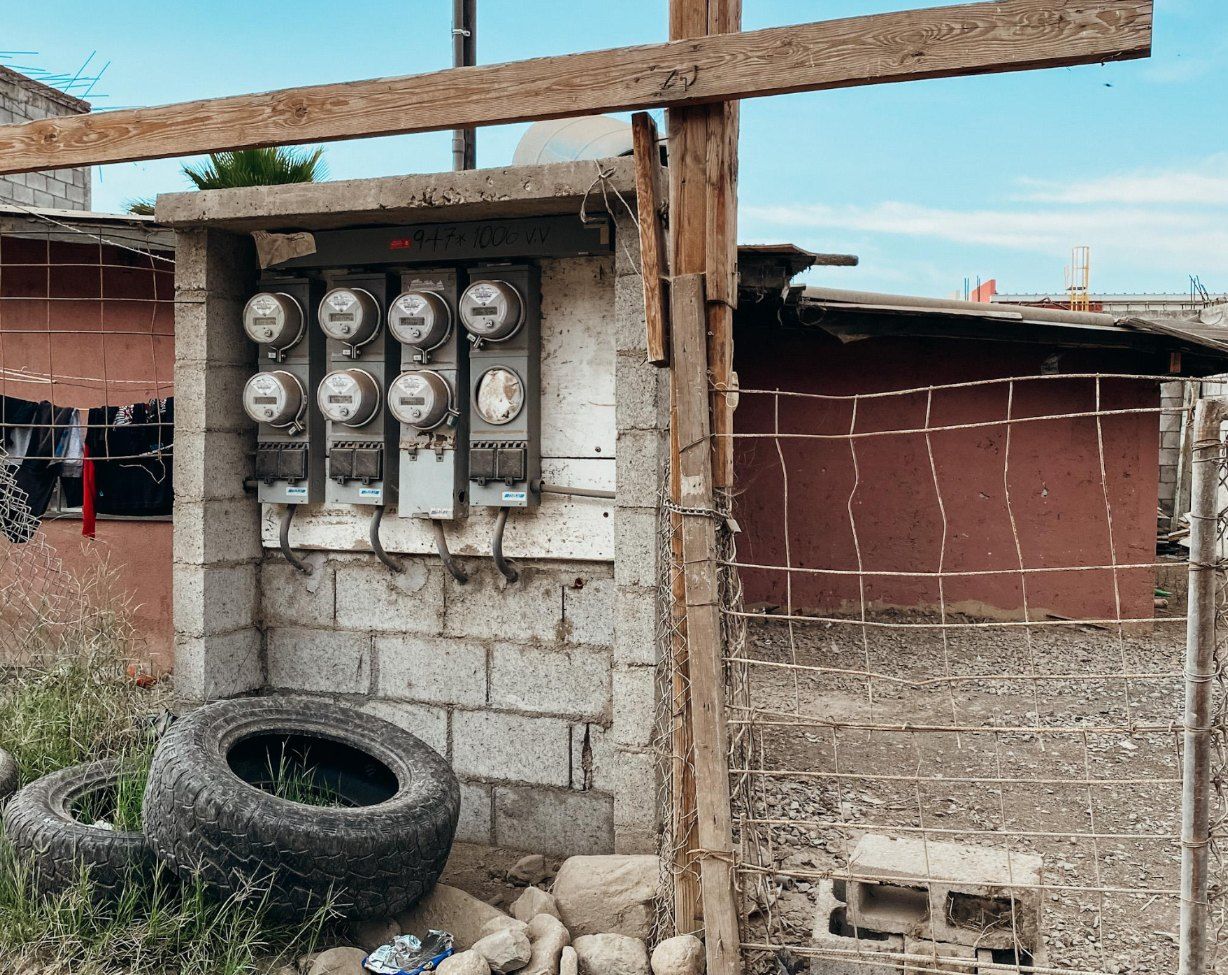
A bank of electricity meters mounted on a cinder-block post.
Power meters in Colonia Cañon del Padre provide electricity access that is often hotwired to multiple households. September 25, 2021. Photo © Keren Threlfall, 2021.
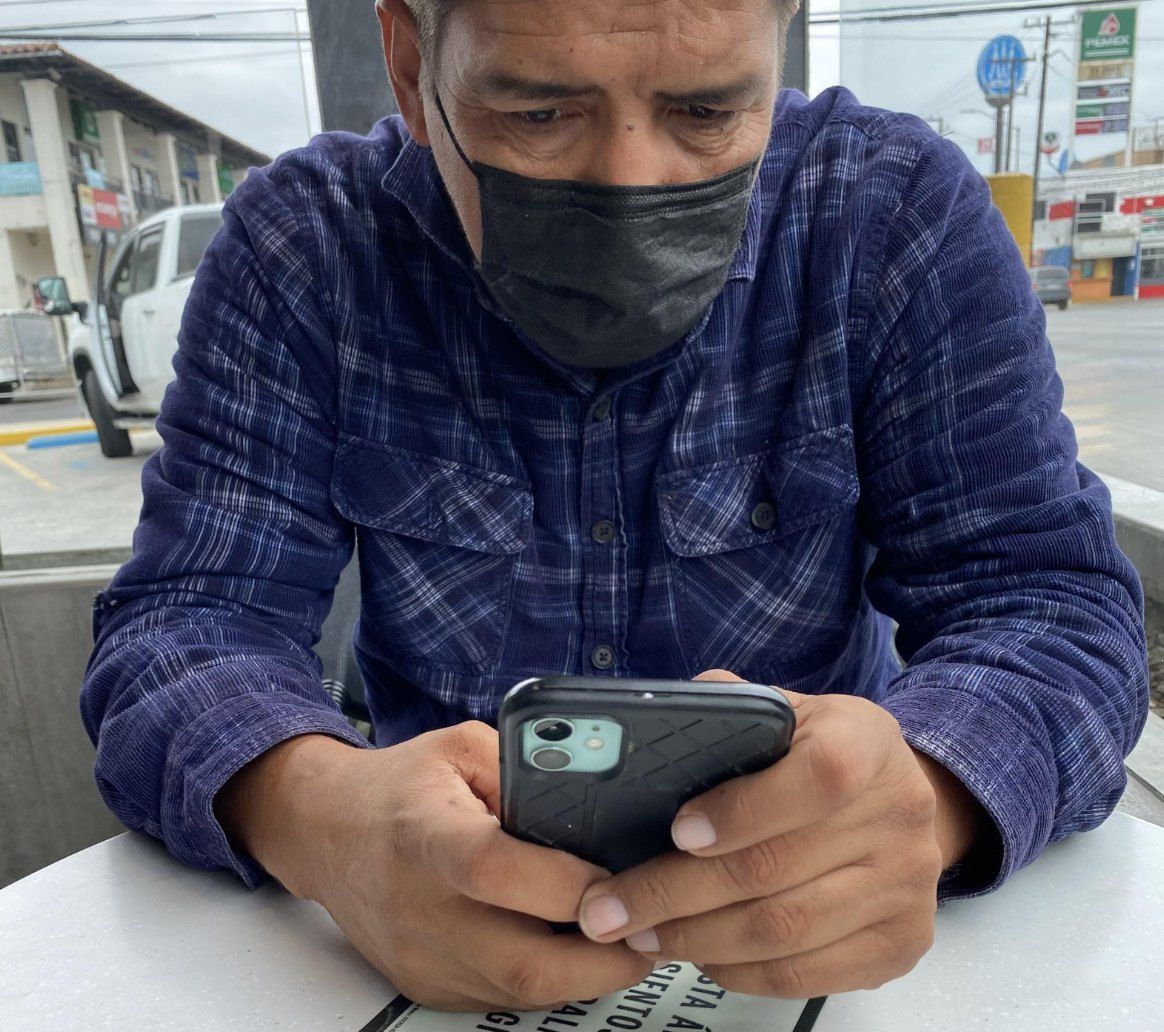
Omar Martinez, masked, looking at his phone at a café table.
Photojournalist Omar Martinez showing photos of residents from Colonia Cañon del Padre who are already working at Amazon. Tijuana, September 26, 2021. Photo © Keren Threlfall, 2021.
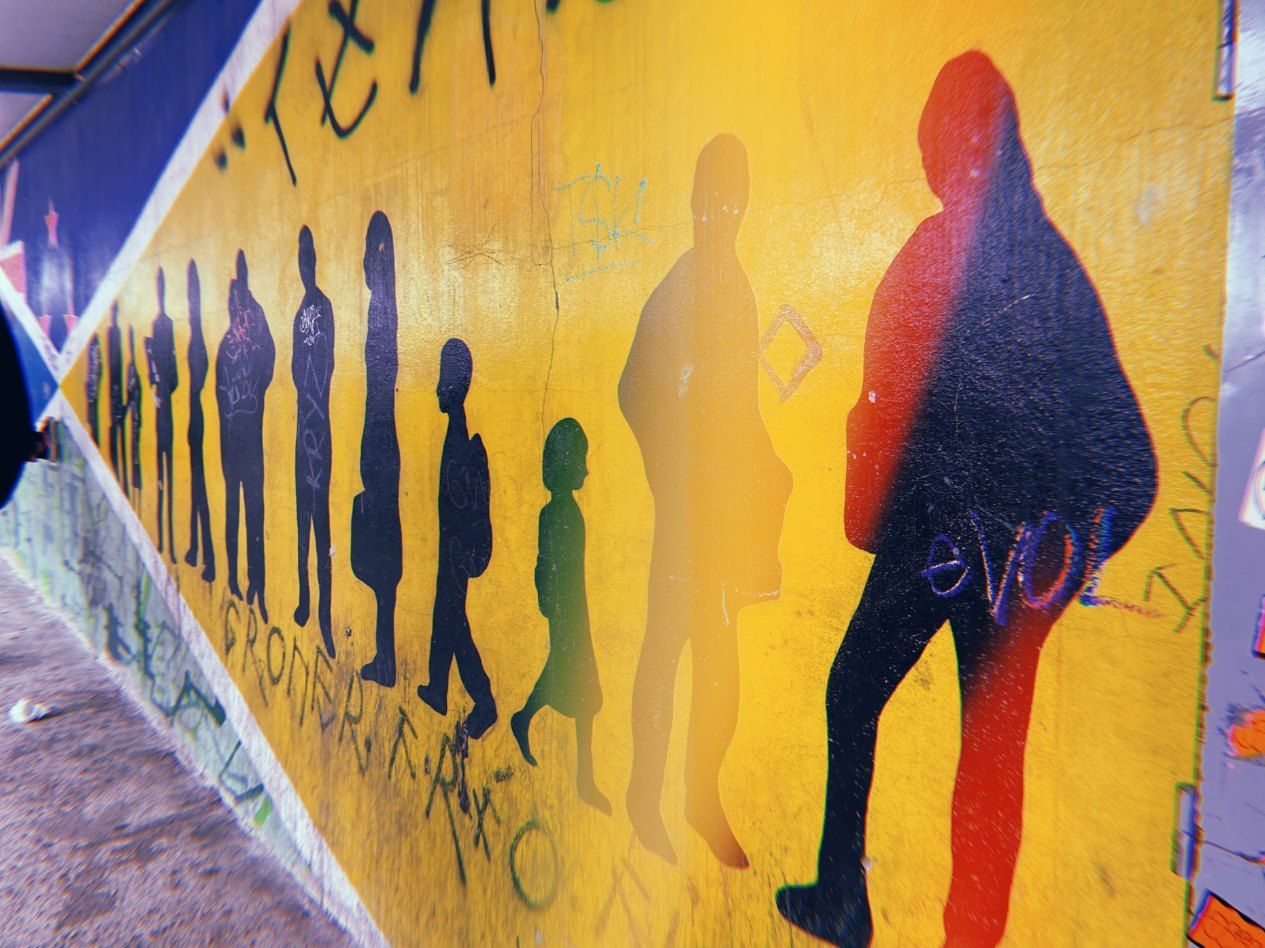
A yellow mural of walking silhouettes along a corridor wall.
Murals line the walls along queues for the Otay Mesa pedestrian border crossing, Tijuana. September 26, 2021. Photo © Keren Threlfall, 2021.
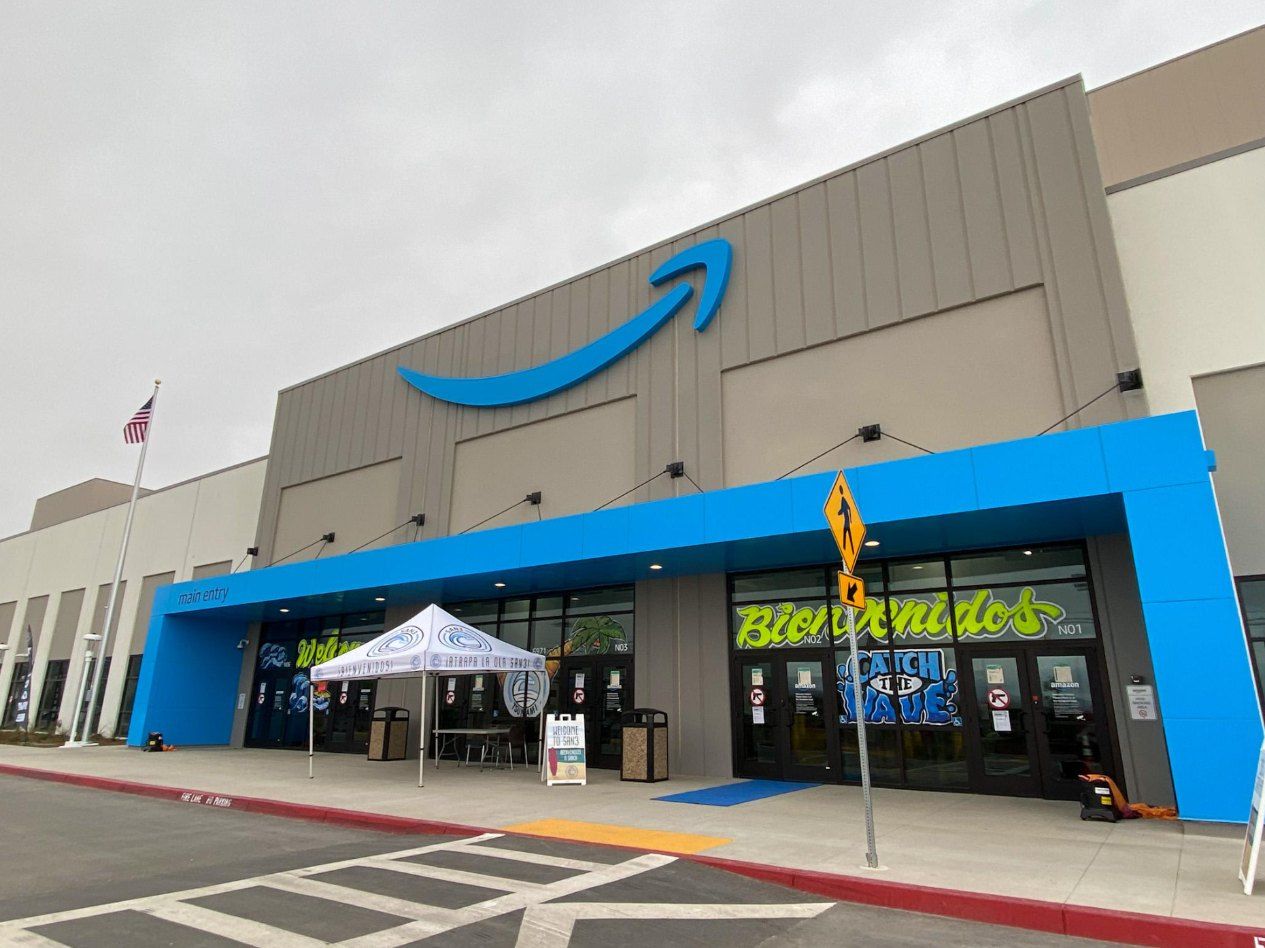
The main entry of Amazon’s SAN3 facility, with Bienvenidos painted on the windows.
Amazon’s Otay Mesa SAN3 distribution facility welcomes new workers. San Diego, September 26, 2021. Photo © Keren Threlfall, 2021.
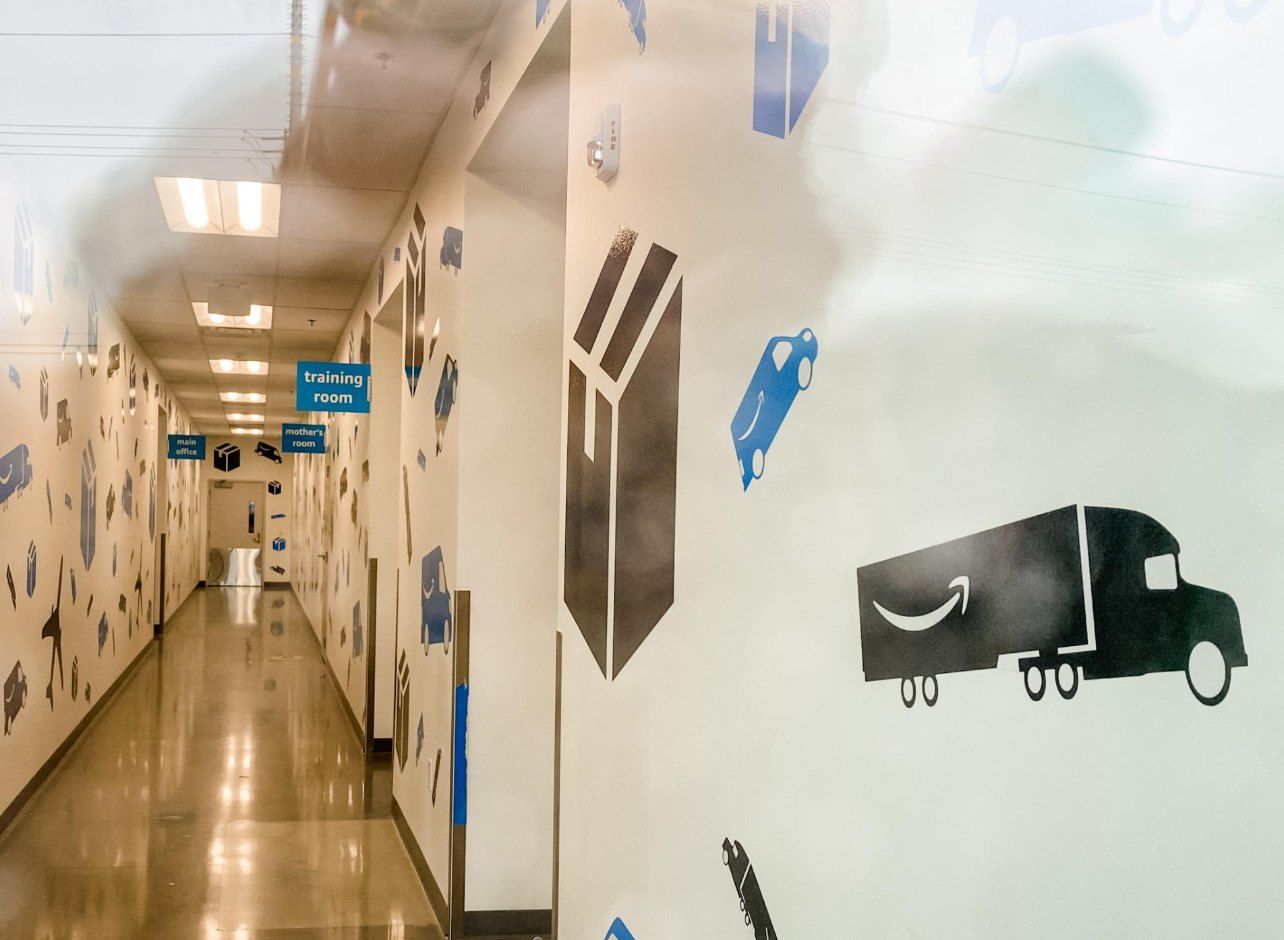
A branded interior corridor with signs for a training room and a mother’s room.
Inside SAN3: immaculate branding, a training room, a mother’s room. September 26, 2021. Photo © Keren Threlfall, 2021.
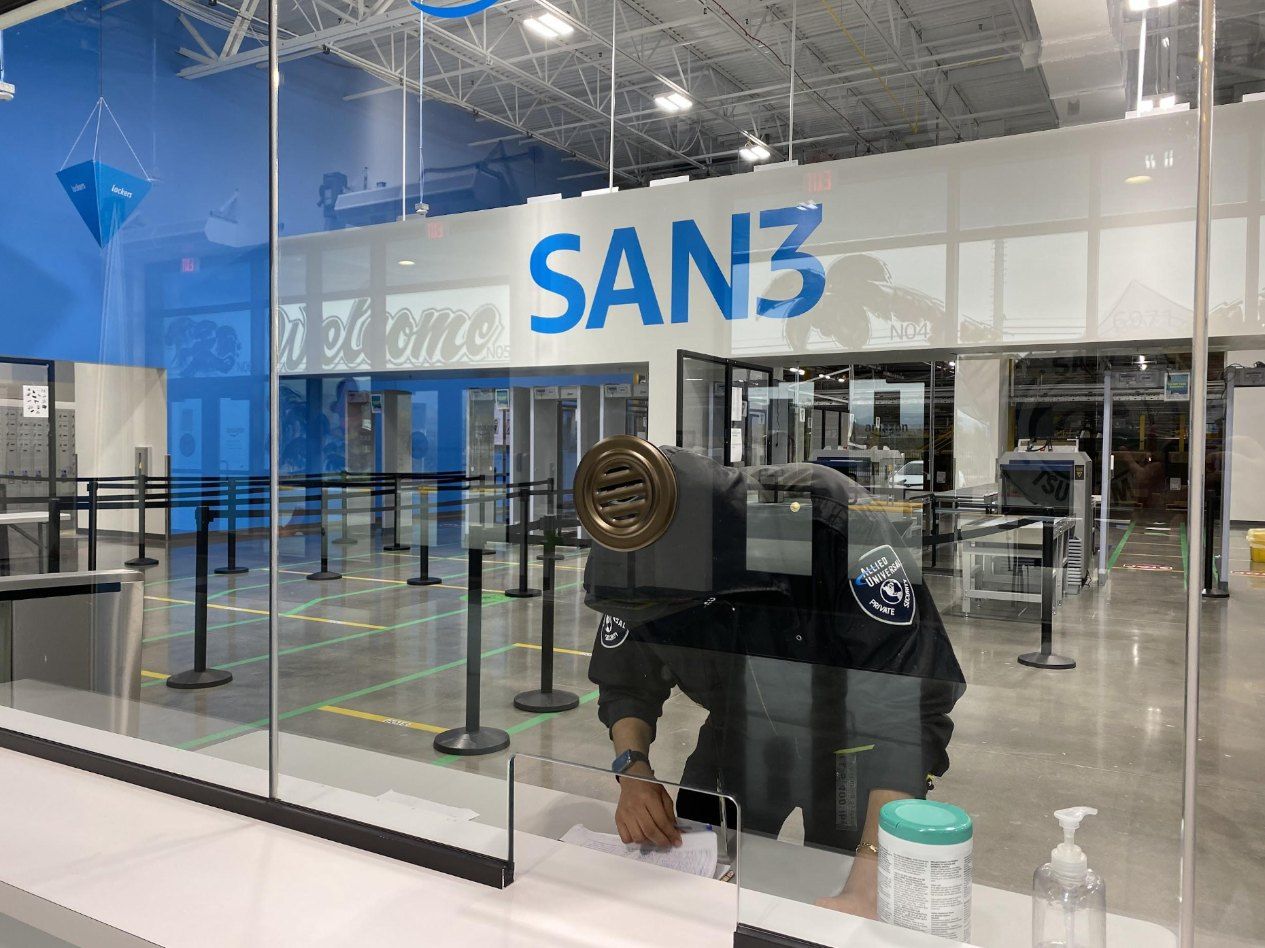
The SAN3 lobby seen through glass, with a security guard bent over paperwork.
The security desk at SAN3, less than a week after opening. September 26, 2021. Photo © Keren Threlfall, 2021.
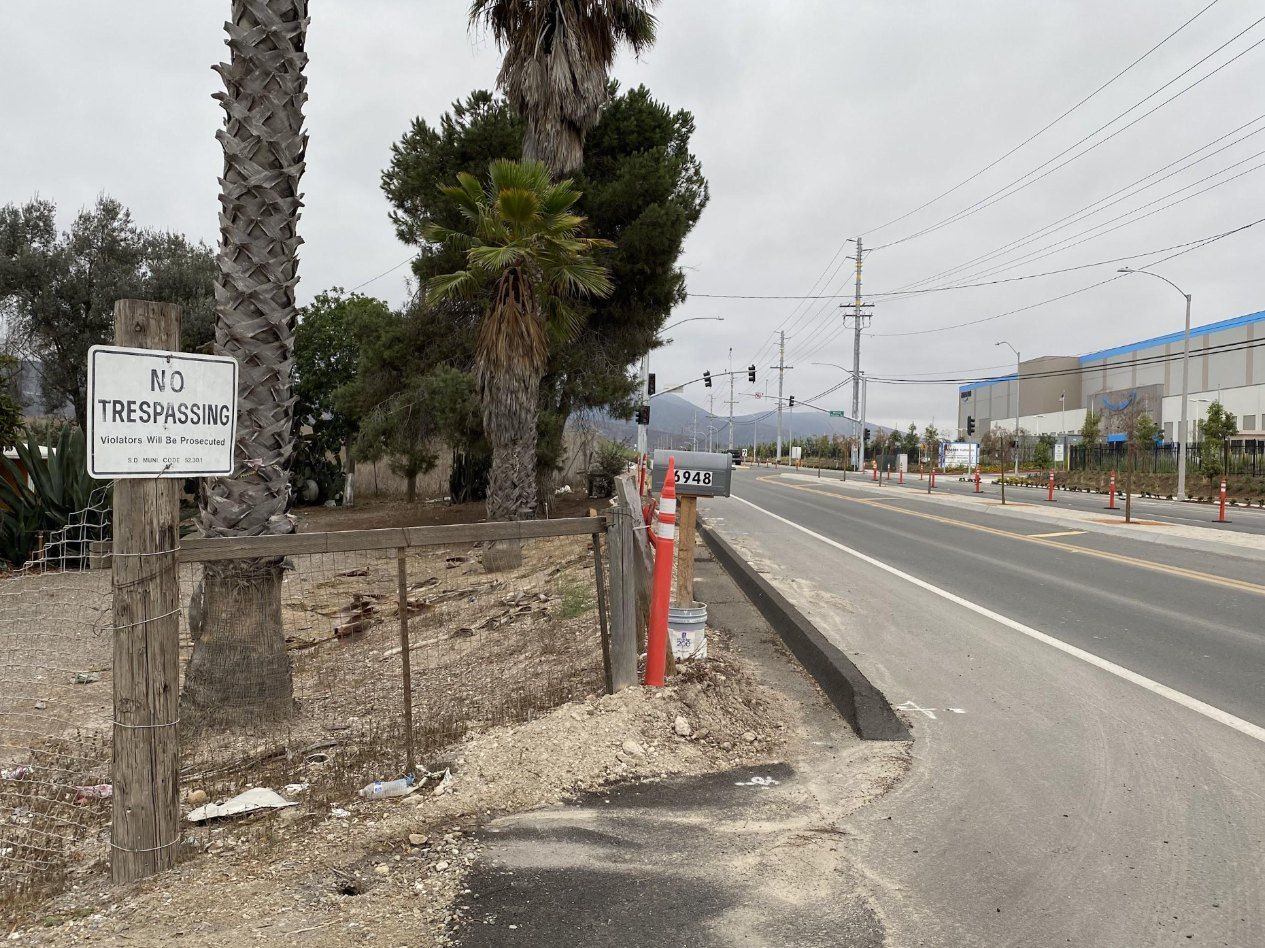
A No Trespassing sign on a wooden post beside a road, with the Amazon facility beyond.
A “No Trespassing” sign outside a residential property across the street from Amazon’s Otay Mesa SAN3 facility. September 26, 2021. Photo © Keren Threlfall, 2021.
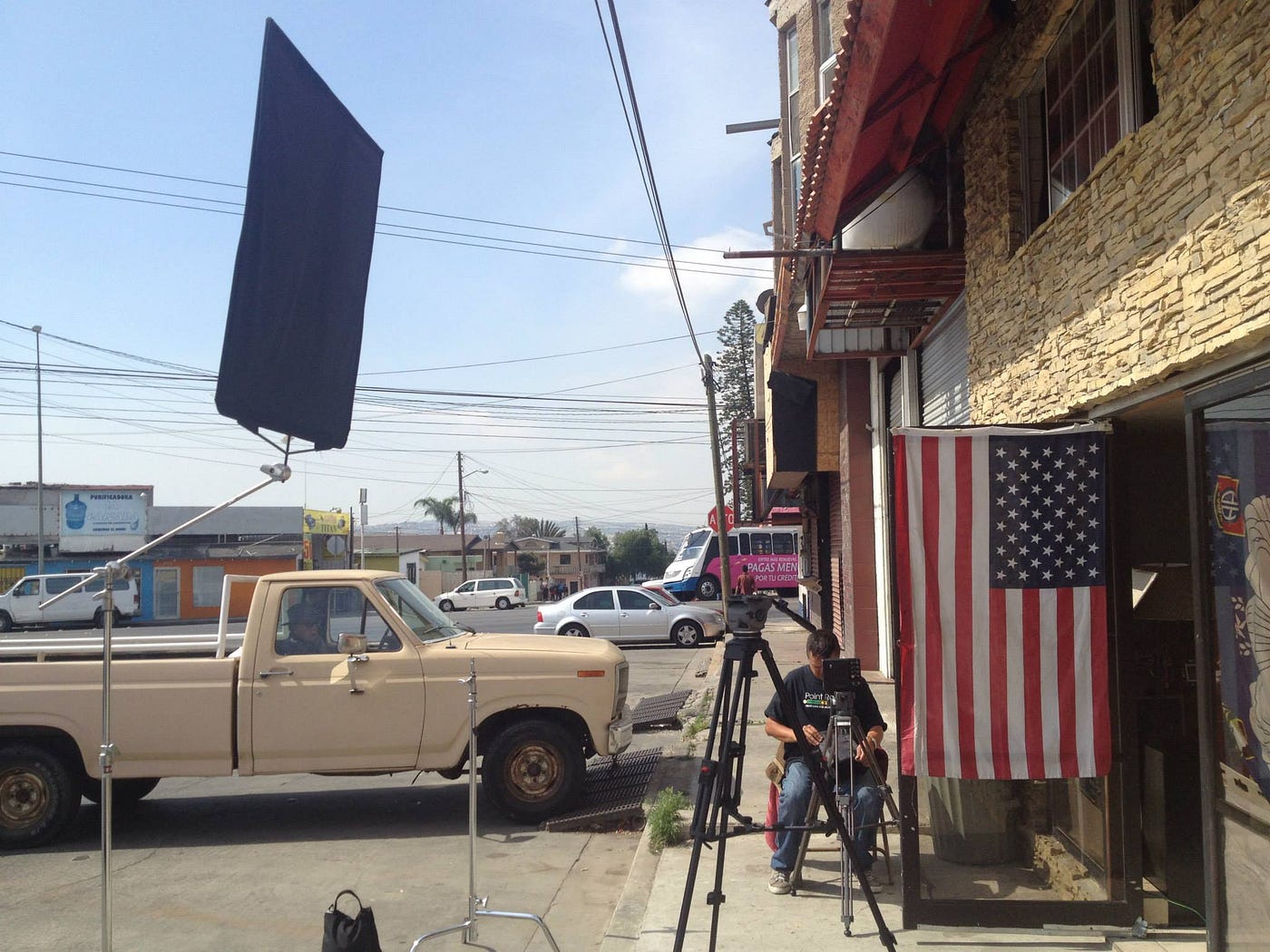
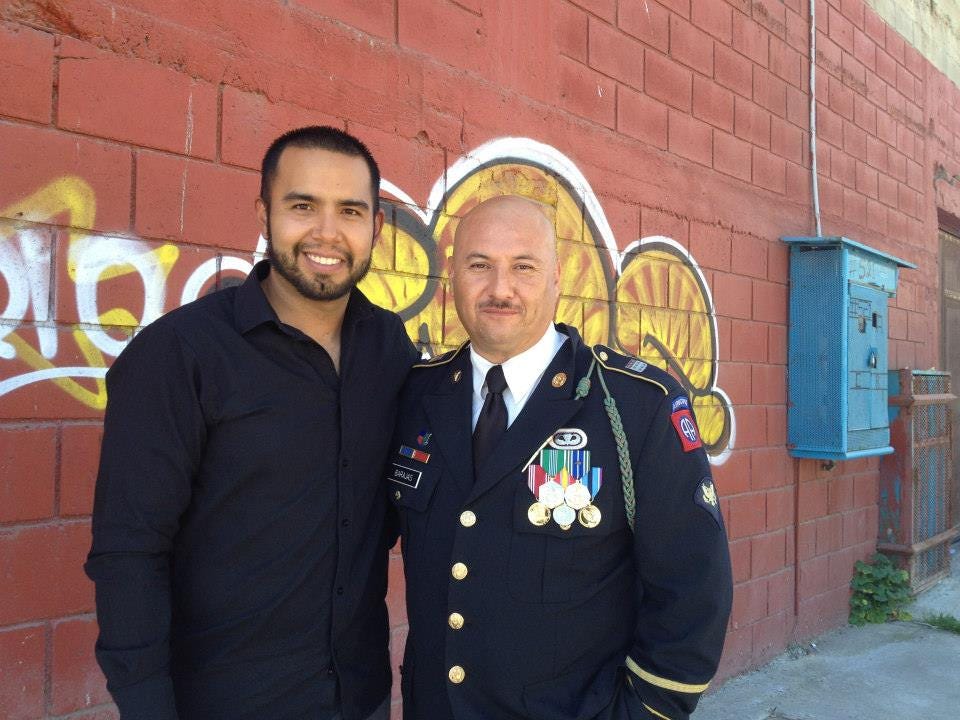
The Deported Veterans Support House in Tijuana, Mexico.
Deported Veterans Support House in Tijuana, Mexico.
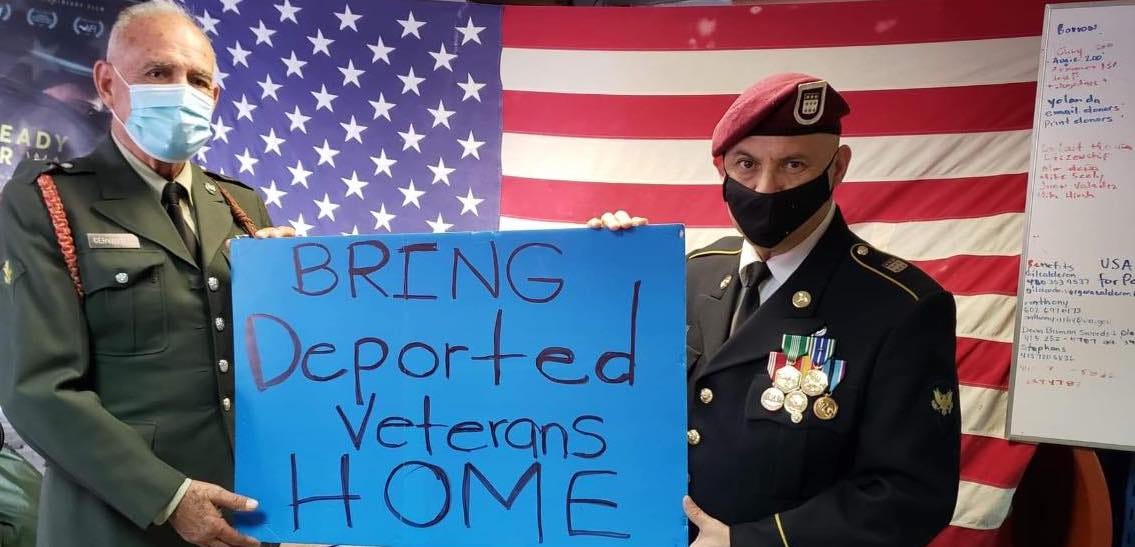
Two veterans in dress uniform hold a hand-lettered sign reading Bring Deported Veterans Home, in front of a U.S. flag.
“Bring Deported Veterans Home.”
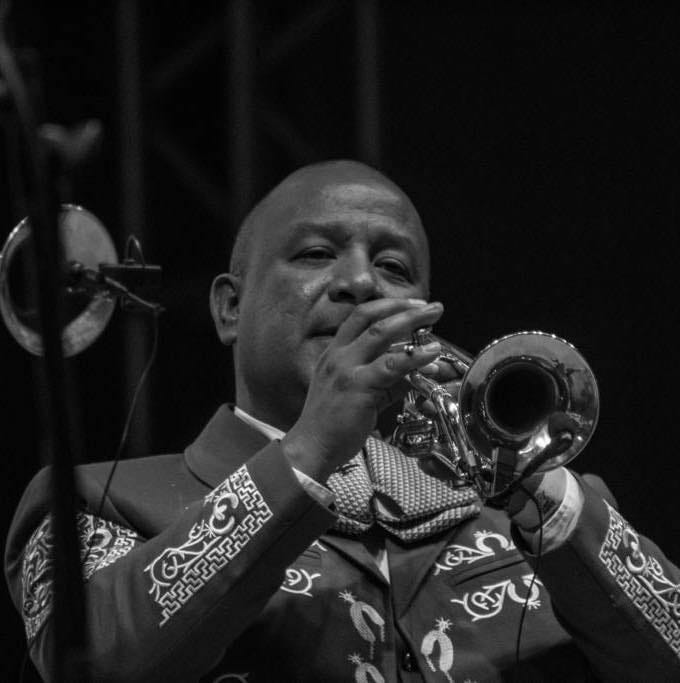
Ricardo Munoz.
“My trumpet saved me from violence.” — Ricardo Munoz, in interview with the author, 2021.
Two men, one in U.S. Army dress uniform, in front of a painted brick wall.
Photo courtesy of Deported Veterans Support House.
1 / 13

Reporting on both sides of the border — in Tijuana and in Otay Mesa, San Diego — carried out as the field assignment for Foreign Correspondent: International News (JOUR E-146A, Harvard Extension School, Fall 2021), taught by Matthew Hay Brown.

Two pieces of reporting came out of it. The first, A Photo of a New Amazon Facility in Tijuana Went Viral as “The Most Dystopian Image of the Year”, follows a viral photograph back to its ground: from Colonia Cañon del Padre, the settlement beneath Amazon’s new Tijuana distribution center, to the company’s SAN3 facility five miles away in Otay Mesa.

The second, on deported U.S. veterans, was published as For Deported U.S. Veterans, A Flag-Draped Casket Is the Only Way Home. Photographs by the author unless credited otherwise.

Pulque, in the Field

Central Mexico, 2019 · Course fieldwork

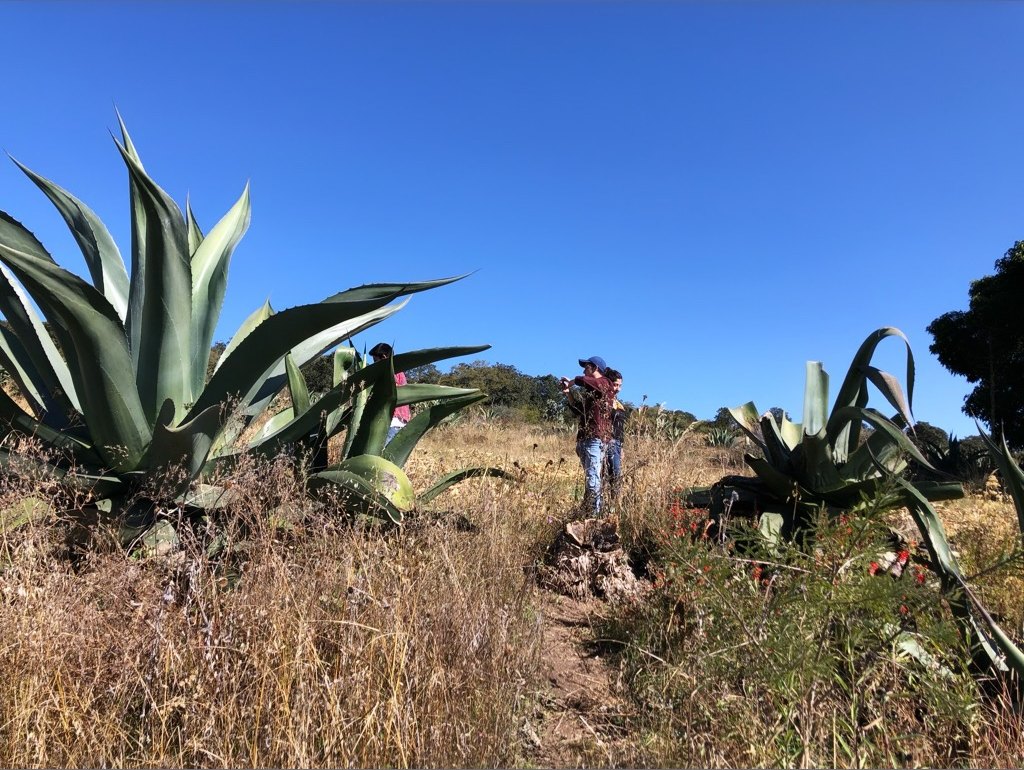
Maguey fields.
Maguey fields.
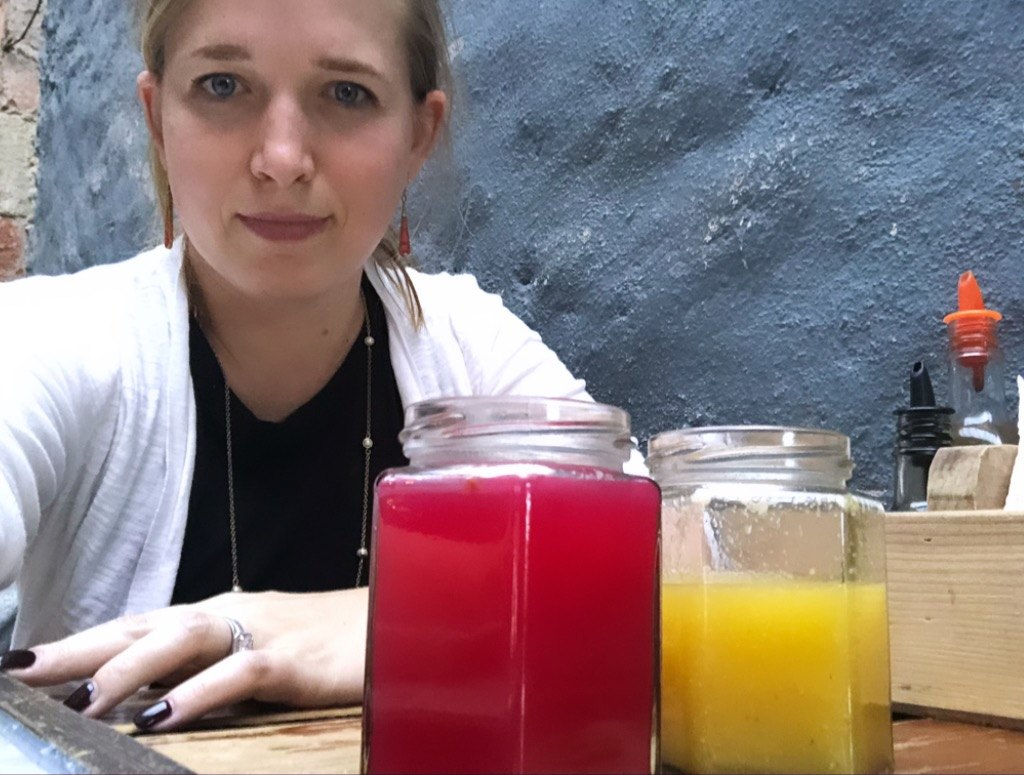
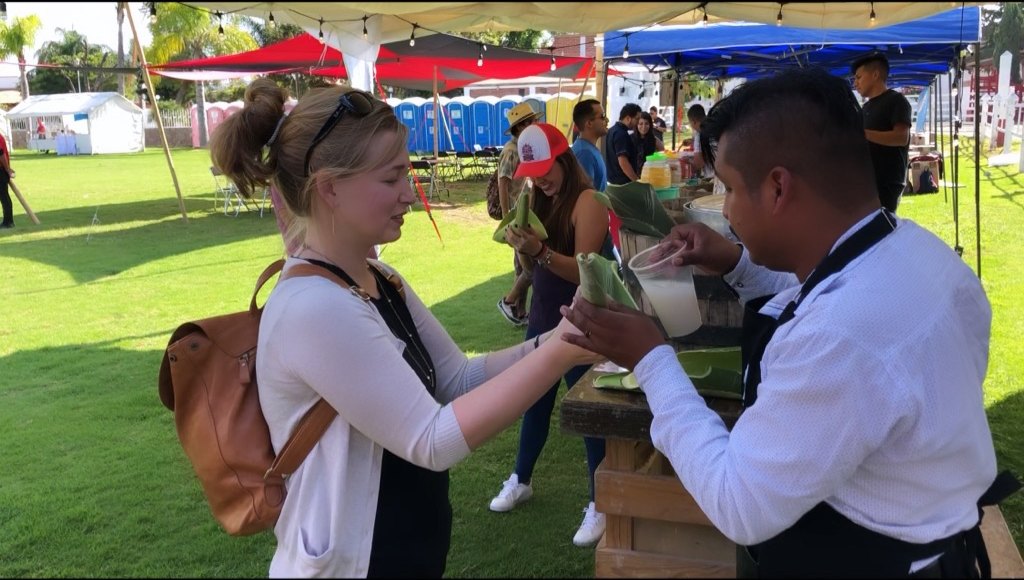
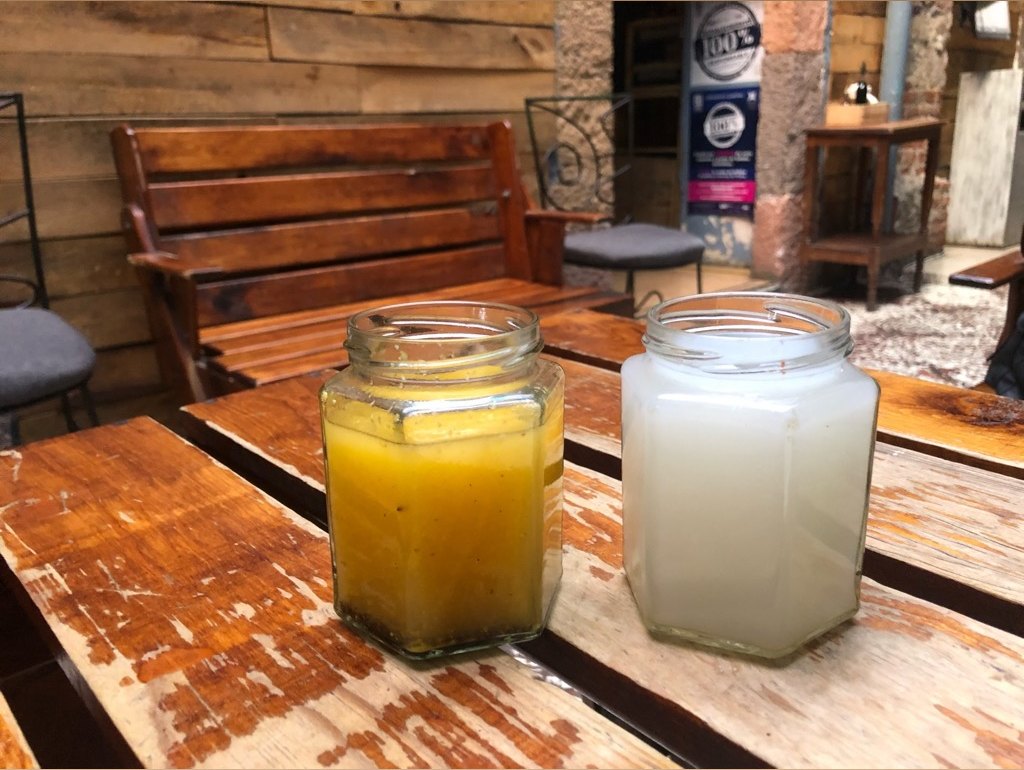
At a pulquería: tuna and maracuyá pulque.
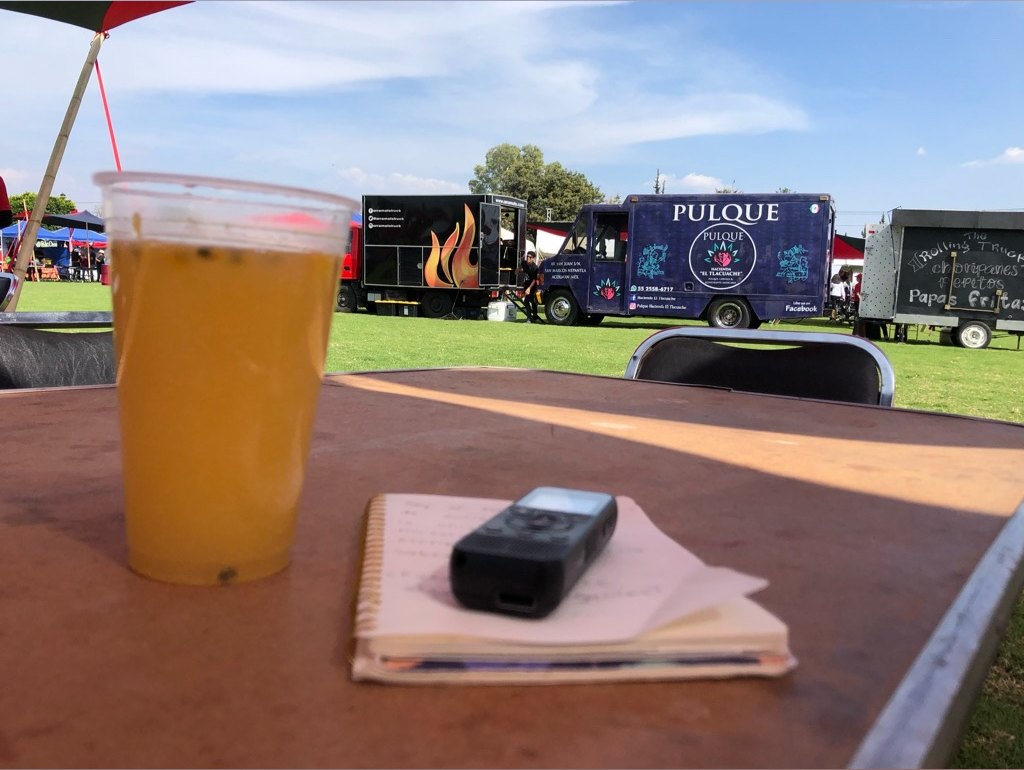
Pulque, notebook and audio recorder between interviews.
Receiving pulque served the traditional way.
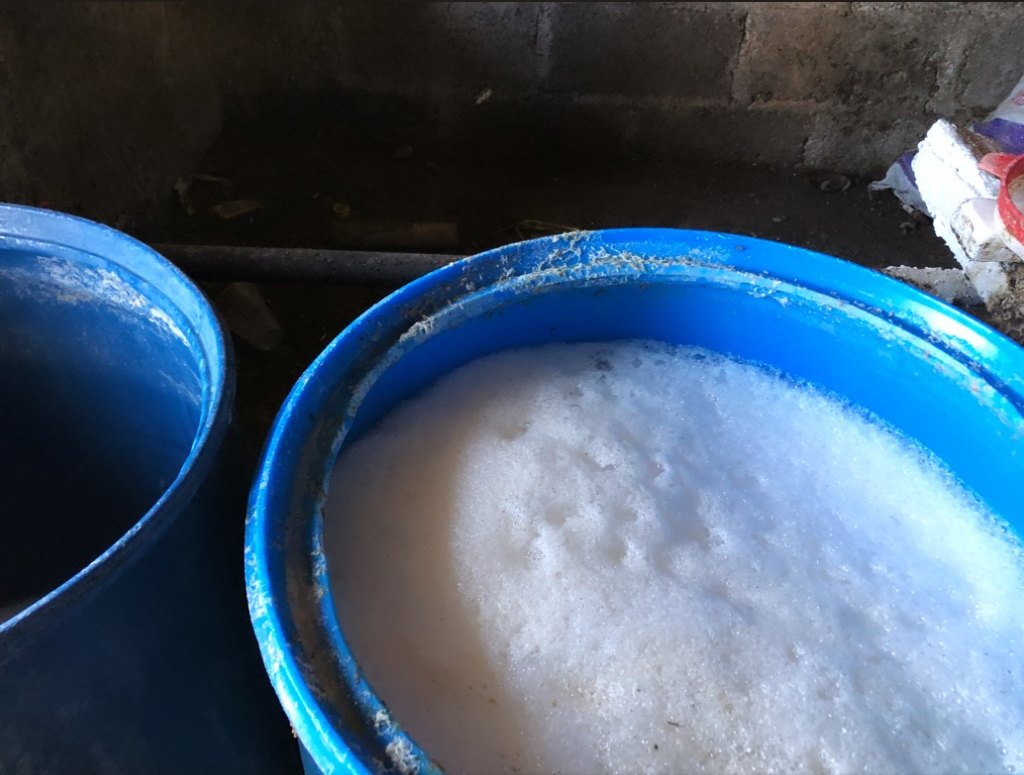
Pulque fermenting in barrels.
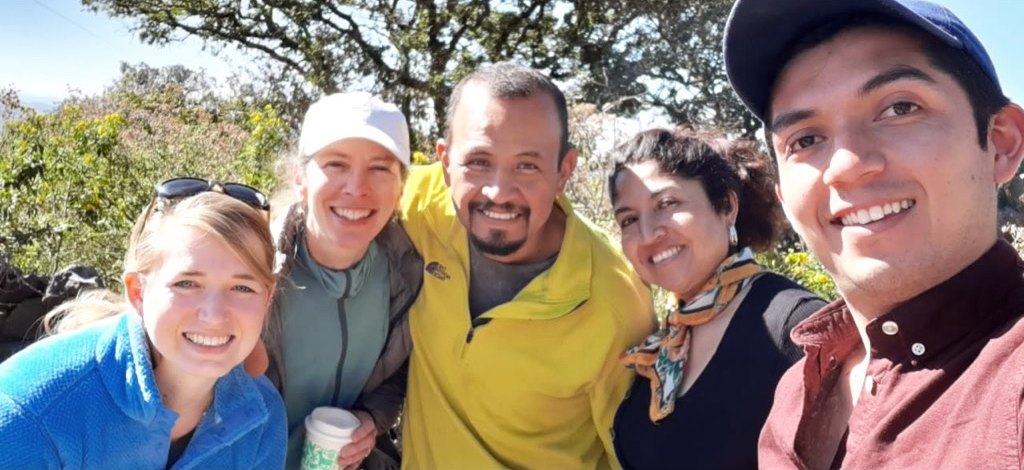
Nopala, Hidalgo, with the maguey guide.
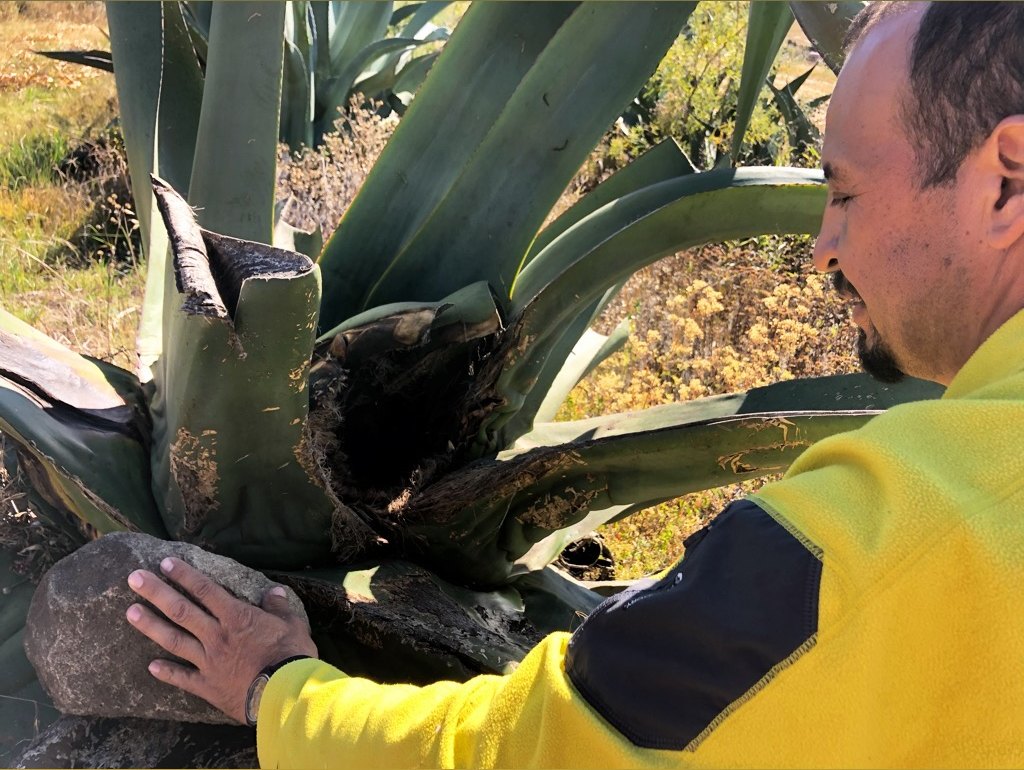
A maguey cut for aguamiel collection.
Natural and maracuyá pulque, Pulquería Manceba.
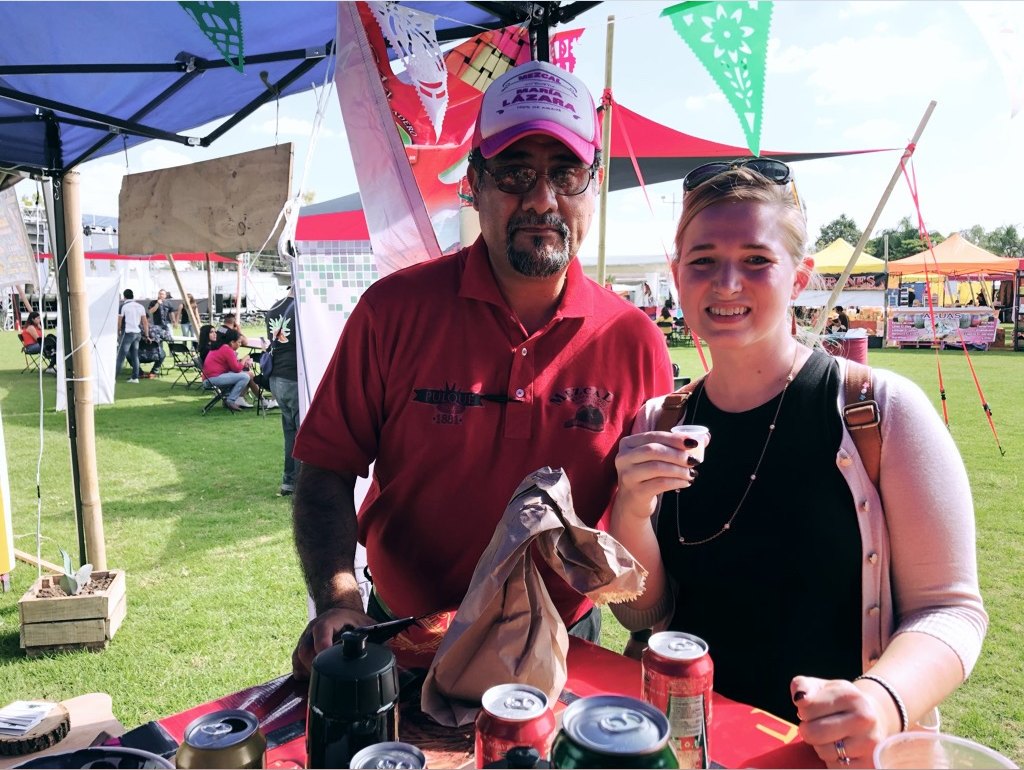
Tasting at the only distilled-pulque stall.
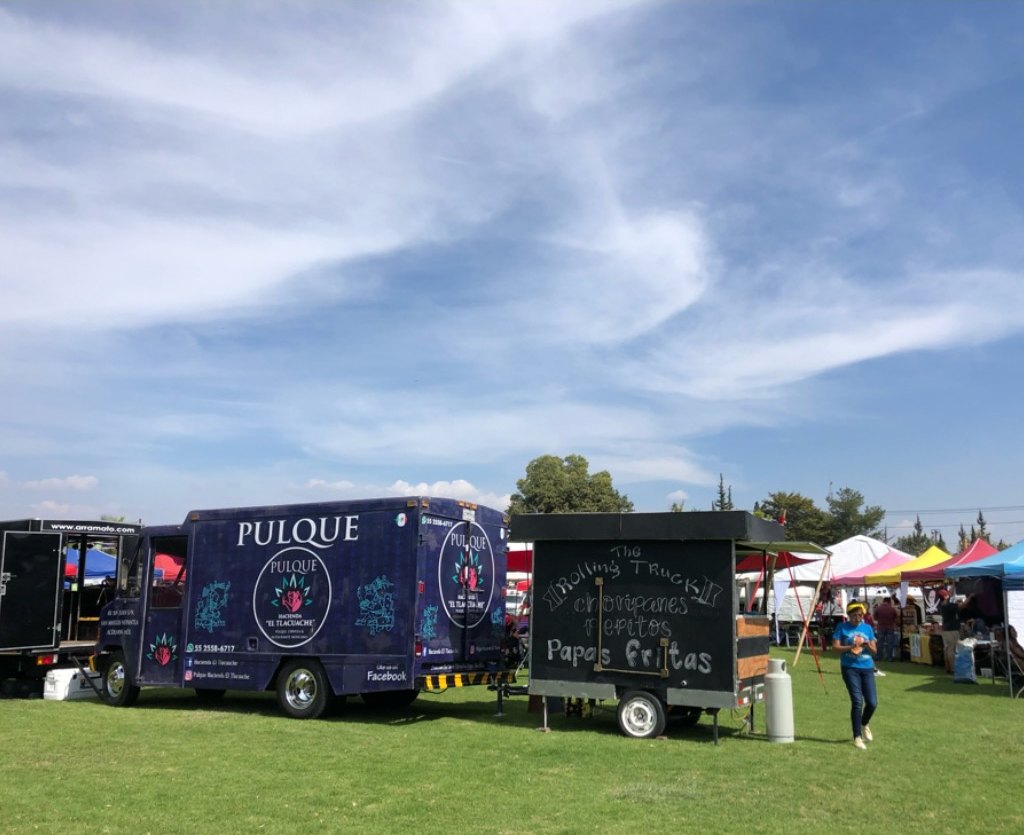
Hacienda pulque truck.
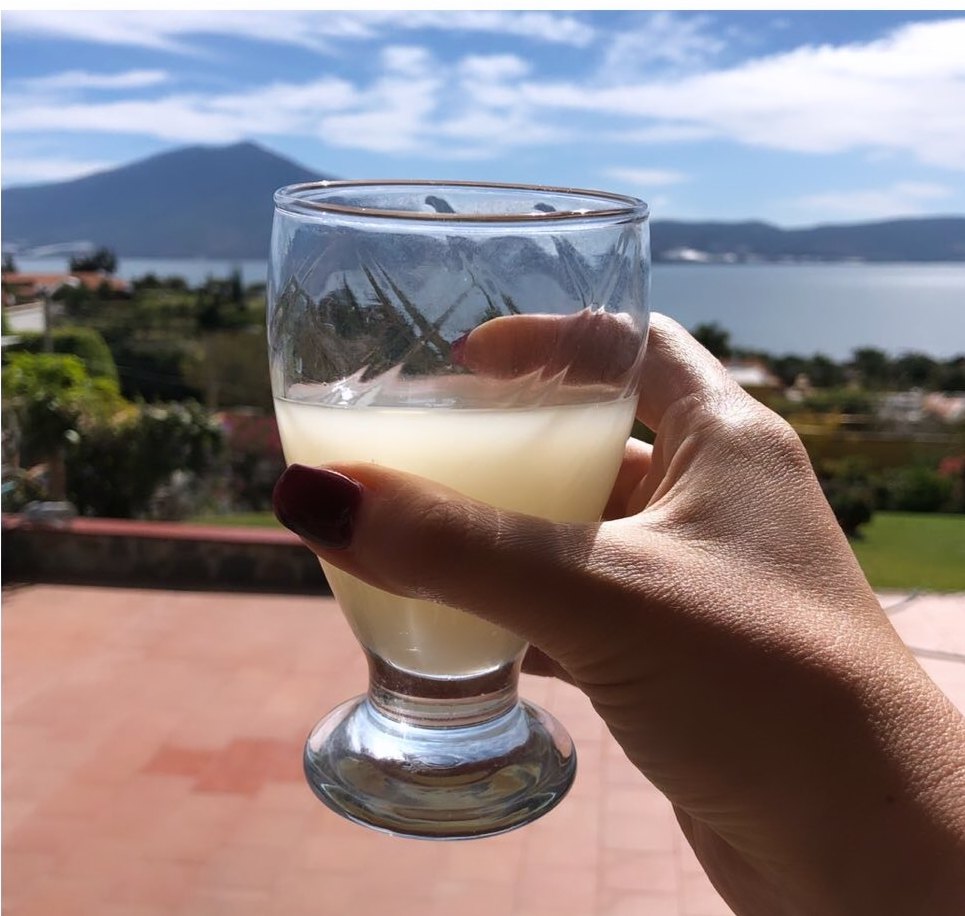
The first glass of pulque, above the lake.
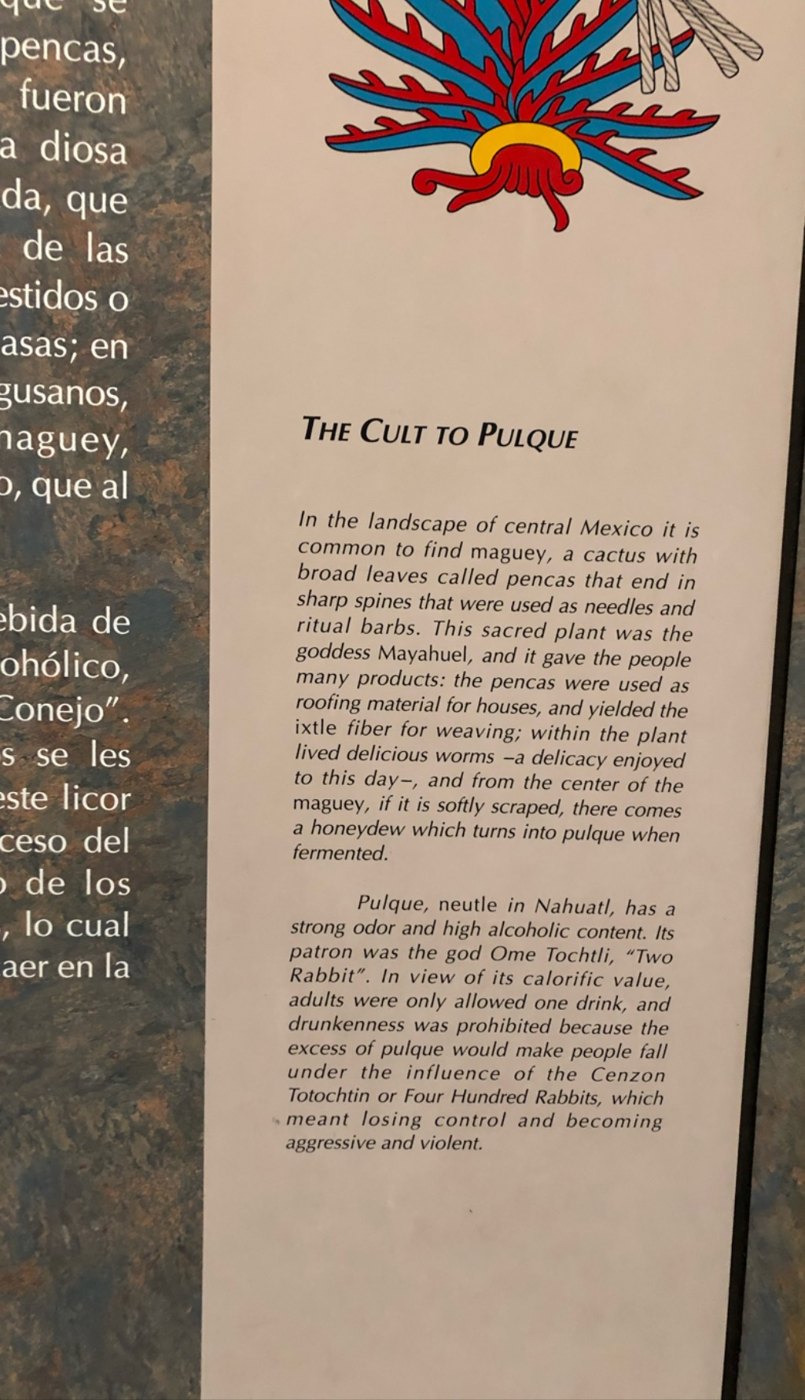
Museum placard, “The Cult to Pulque.”
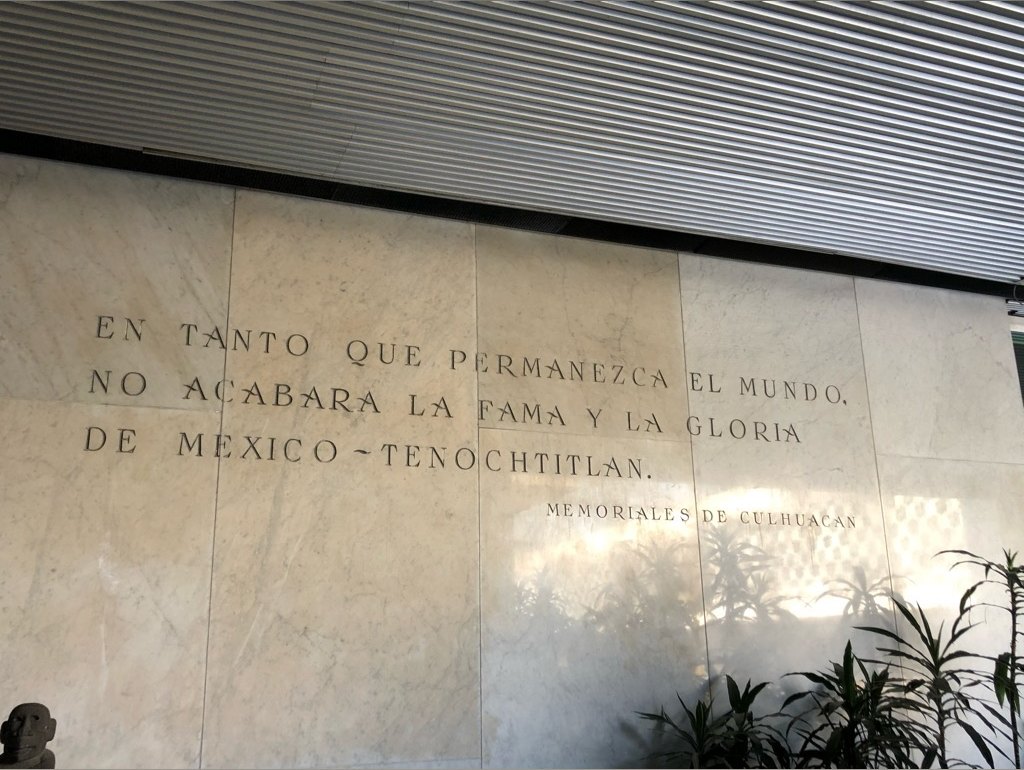
Wall inscription from the Memoriales de Culhuacan.
1 / 13

Photographs from fieldwork on pulque, the fermented agave drink of central Mexico, made in 2019 across Cuautitlán, Corregidora (Querétaro), Nopala (Hidalgo), Mexico City and Tonalá. Photographs by the author.

The fieldwork was carried out for Moctezuma’s Mexico: Then and Now (ANTH E-1050, Harvard Extension School, Fall 2019), with Davíd Carrasco, and became the final paper for that course: Of Men and Mezcal, Pulque and Priests: The Pulque Profundo within an Examination of Mesoamerican Beverages Then and Now.

Lebanon

March 2019 · Bekaa Valley and Beirut

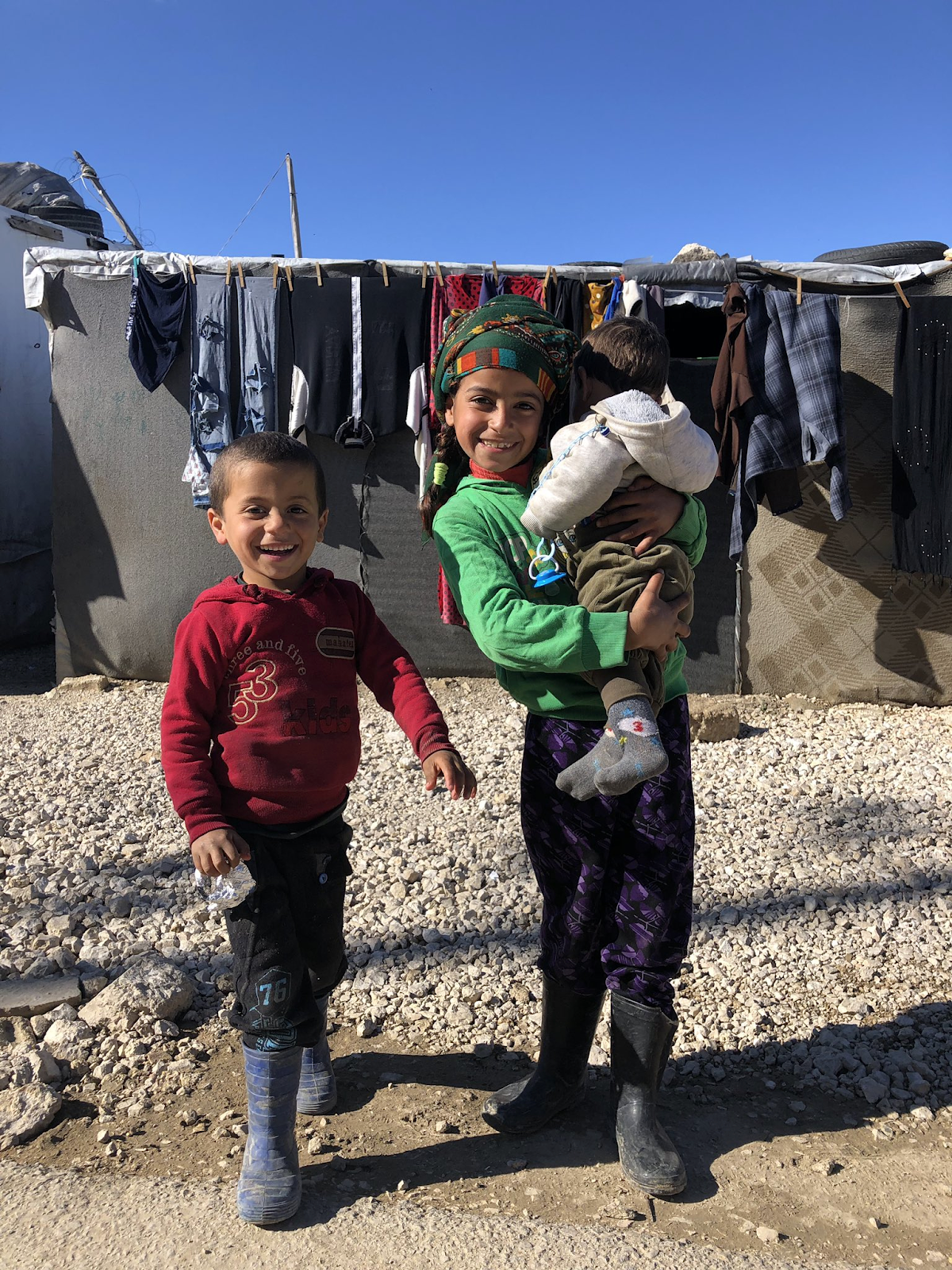
Wiam outside her home and school in a Syrian refugee camp in Jarahieh, Lebanon.
Wiam وئام outside her home and school in a Syrian refugee camp in Jarahieh, Lebanon. March 2019. Photo © Keren Threlfall, 2019.
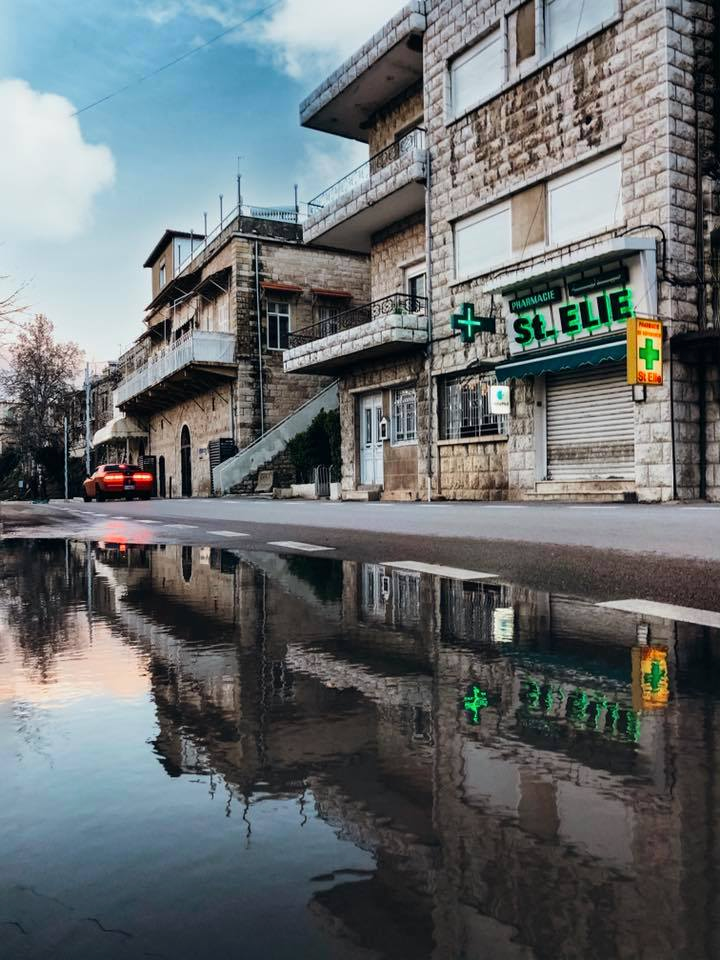
A stone apartment building and a green pharmacy sign reflected in a street puddle.
Zahle, Lebanon. March 2019. Photo © Keren Threlfall, 2019.
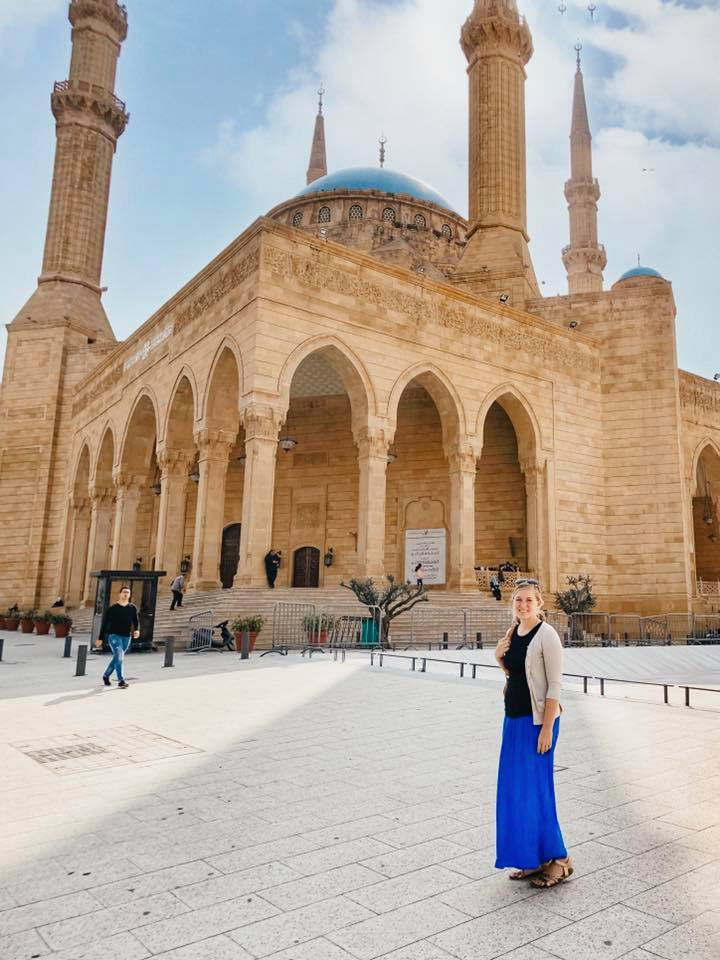
The author standing in the square before a domed mosque with four minarets in Beirut.
Beirut, Lebanon. March 2019.
1 / 3

Time spent in the Bekaa Valley alongside education programs for Syrian refugee children — in a camp classroom in Jarahieh — with days in Zahle and Beirut. The visit runs through the essay Daughters of Liminality, where these photographs first appeared.