Writing · Essay in verse
Daughters of Liminality
“I Would Like to Give Her Home, But I Can Promise Her Nothing Like That”
On watching my daughter turn fourteen, with her prime adolescent years spent in a pandemic; on moving yet again; and on living with war on our minds, wishing I could give her and so many others, home.
By Keren ThrelfallMar 7, 202210 min read
This piece brings in reflections and touchpoints from Joan Didion’s “Slouching Towards Bethlehem,” connecting the shared transitions into the liminality via the experiences of a Syrian refugee girl, my oldest daughter, my youngest daughter, and my own experience of being suspended between worlds.
She is seven.
Old enough to have been birthed in a Syrian homeland,
young enough to carry only memories of Lebanon.
We meet in a classroom
in Jarahieh
where our eyes can smile so wide,
we can make one another
burst into laughter
with just a look
and a wink.
Now it is Mother’s Day
on a Thursday
in Lebanon
in March.
My children, an ocean away.
And I am here.
It feels
warm and familiar;
yet so far away.
For I am
with the children
of mothers
who lost
home
to a war.
A warm hand slips into mine,
placing a paper into my palm
on which we are drawn –
stick-figure caricatures –
our names, labeled, in Arabic, in English.
“Engliziya!” she beams.
“Shukran,” I giggle.
There are hearts
just like the ones
my youngest daughter draws.
I tuck it into my pocket,
next to the photo of my children,
next to the coloring sheets
they gave me for Mother’s Day,
to take home –
to wherever my children are –
so my children can color the same Mother’s Day pages
these Syrian students made
for their mothers.
Except for the boy
who had watched
his mother beheaded before him –
where home was once Al Zabadani,
Damascus, Aleppo, or Homs –
he colored a page
for his grandfather instead.
Now
home
is where the
white and blue tarps
shred and tear with the wind.
It is colder today.
And the mist from her mouth
comes out heavy.
But the look in her eyes
is light,
still happy.
I see my own breath
forming clouds in the air,
and wonder
how they manage
to keep their
homes
warm in the winter
when the cold
leaves you numb and
unable to feel
anything
at all.
I see her boots
see the mud,
see the dust,
and know that flooding
has been in
this place,
in her
home –
if she can even call that
tented, tarped space
a home.
My last day at her school,
I tried to be strong
I thought our farewell
was final.
As I am walking away,
I hear her
calling my name;
beckoning me over;
begging me
to please take her photo.
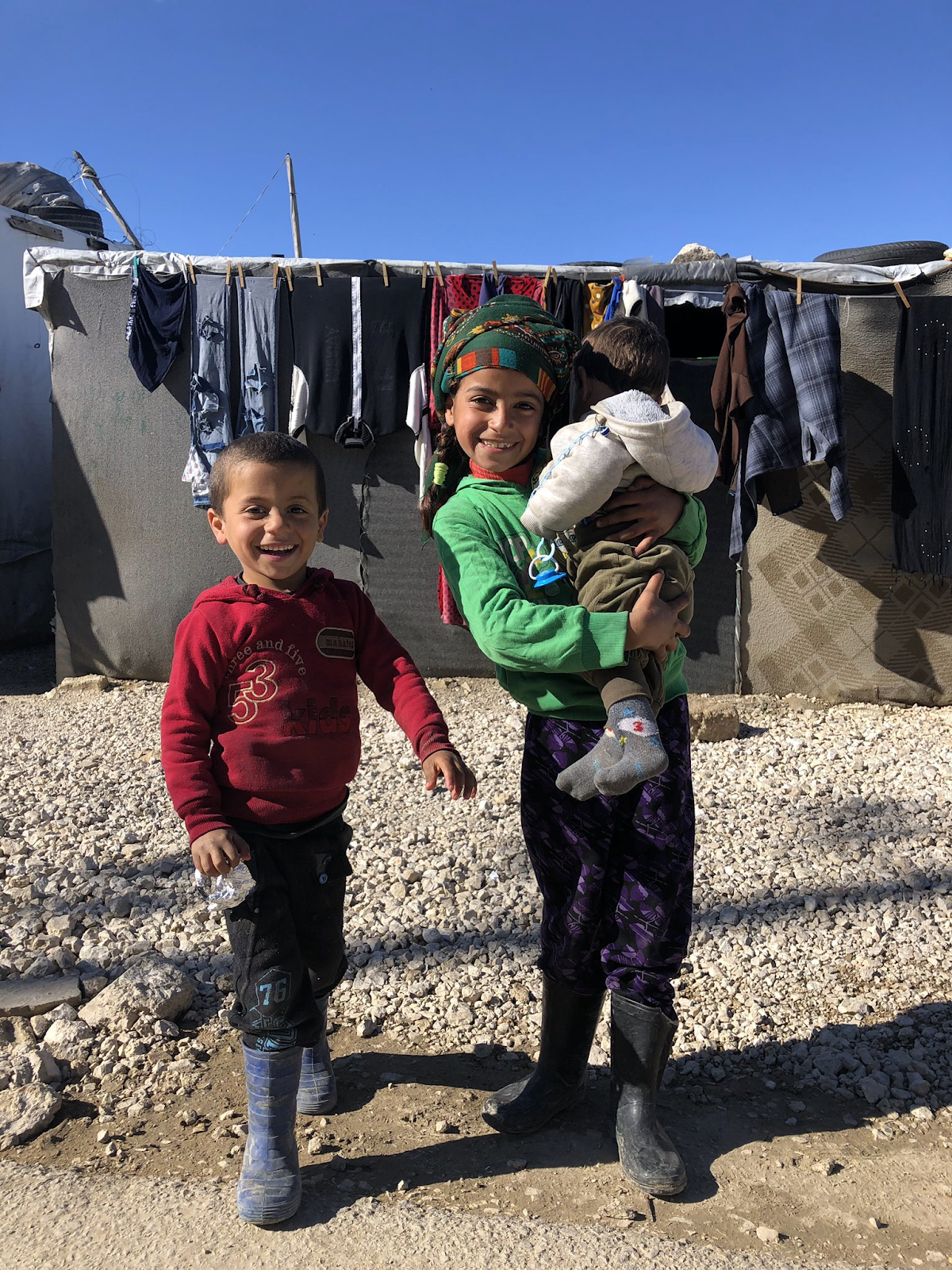
A baby in arms
her brother beside her.
Behind her,
UNHCR tarps
weave a shelter
out of that liminal space
she calls
home.
Or, is home
behind those mountains,
beyond us,
in Syria?
She is strong,
wherever she is.
Her eyes smile again.
I take
the photo.
I give
one more hug,
Sweet Wiam,
وئام
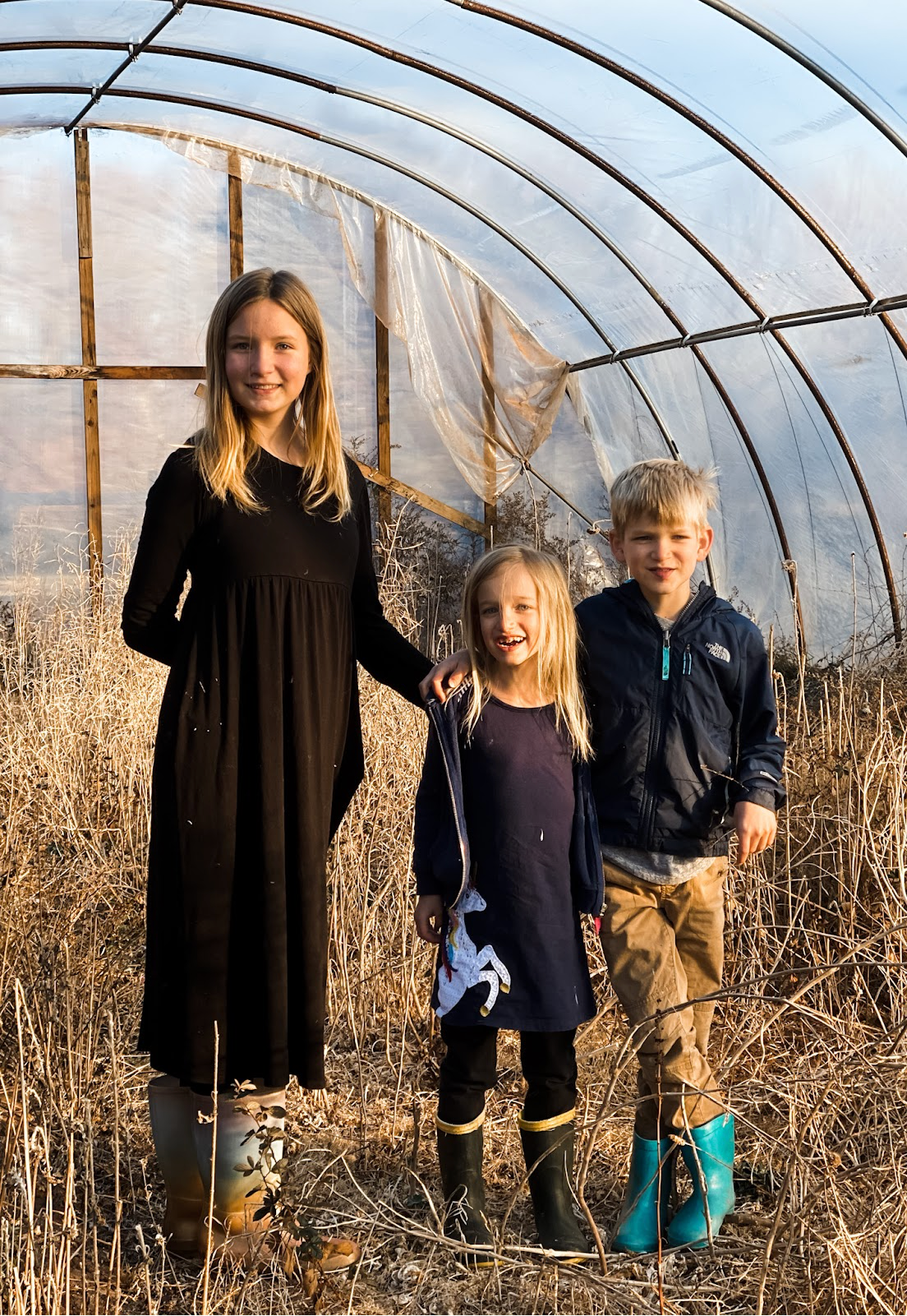
She is turning fourteen,
my eldest daughter.
Remembering still, her world
before the pandemic;
overhearing whispers
of war and collapse;
forgetting what it was like
to run free
in our cobblestone courtyard
in Antigua –
running free
from the
anxiety and dread
that chases her now.
When once
she ran
only
from laughter
announcing her friends
who were trying to
tag her -
You’re It!
She is turning fourteen,
her boots caked with
thick, red
Carolina clay.
Her closest friends, she says
are sentient beings,
not quite human.
And the farm we have owned
for sixteen months
is now almost empty.
Except for the table and chairs
where we carry our paper plates —
heavy with
thick, red
velvet cake
and melting vanilla ice cream —
to the table, where she blows out
fourteen candles
on her last day at that
house she calls
home.
She will move an hour away the next day:
a small house in the city
and tell me that night,
“I want to go home.”
She tells me again
and again,
in the days that come after that.
I am stoic
but guilt-ridden, for
it is her fifteenth move.
And she is
but
fourteen years and two days old.
Sweet, Hana Kate.
Four days later, we sign our names in blue ink, and we sell that home, that house, that farm, an entire 80 acres.
80 acres that had become a hardship,
80 acres my daughter had loved,
80 acres too far away,
80 acres my neighbor had purchased.
And given us
the feeling
that maybe
our heads were finally
above water,
financially.
I remember the words of Joan Didion,
barrelling into my mind on
her birthday eve,
etched into my soul, every day after:
“I would like to give her more.
I would like to promise her that she will grow up with a sense of her cousins and of rivers and of her great-grandmother’s teacups,
would like to pledge her a picnic on a river with fried chicken and her hair uncombed,
would like to give her home for her birthday,
but we live differently now
and I can promise her nothing like that.”
And it hurts
so much
as we ache
for our own versions of
home.
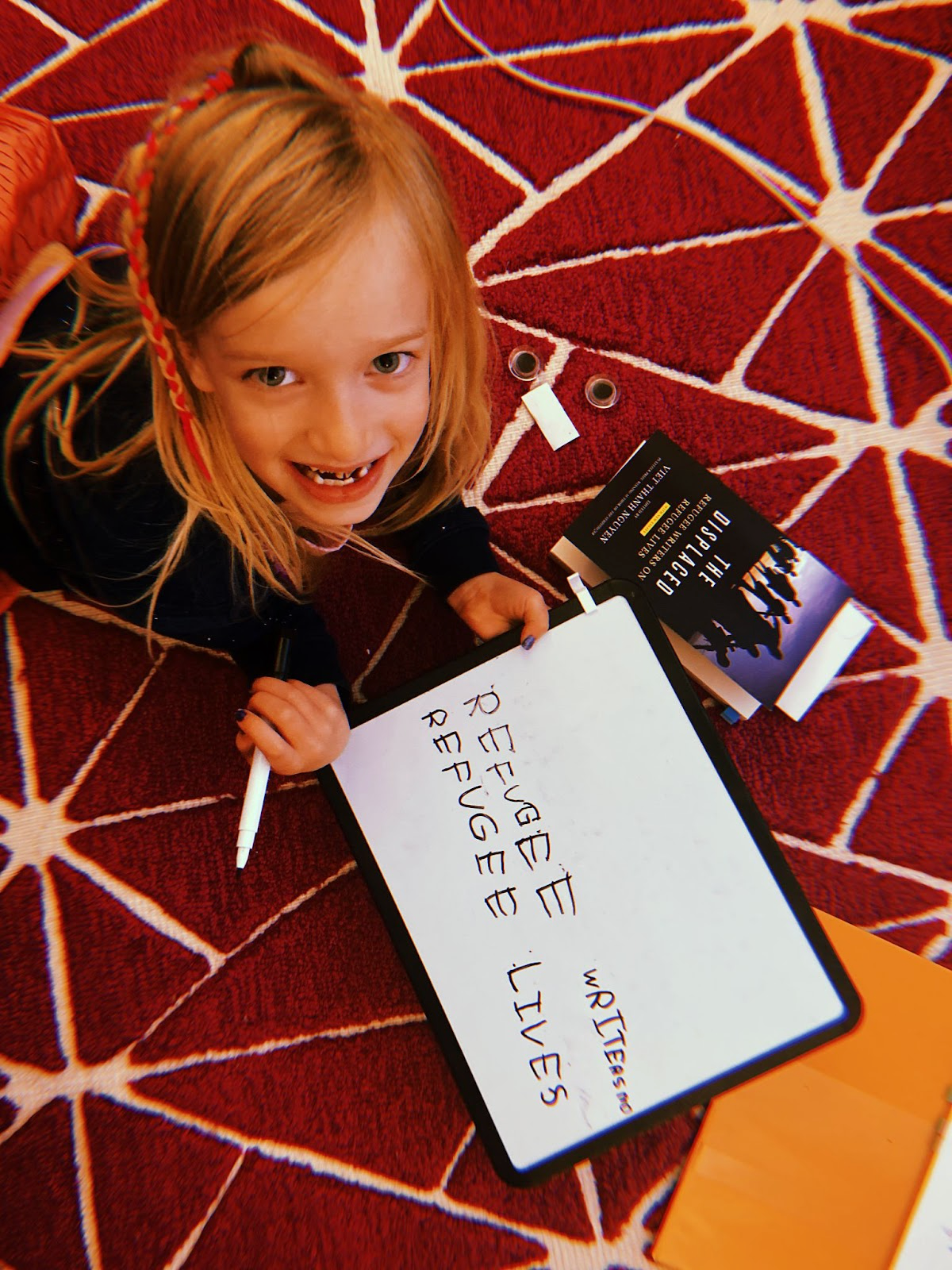
She is seven,
still the baby
of the family.
She asks to take a break from school
a gap semester –
at age seven –
and I…am amused.
But before, there was:
Kita in Germany;
forest school and
half-day preschool;
then Green School in Guatemala;
And first grade
on computers,
virtual school in South Carolina,
stuck in front of a screen
every day, all day.
not
how it should be.
not
how small children learn,
when they’re learning at
home.
She knows what she needs
and she asks for it.
So now, she sits by my side
practicing her letters
and scrawls
“Refugee Writers on
Refugee Lives.”
Words,
she is lucky,
only to copy,
and not to know.
Yet
she too
is displaced
from a world
I once thought
I could give her.
Where displacement
to her
feels something like
home,
feels something
like normal,
Sweet Kyrie.
Her name, Kyrie Elise Ann
“Kyrie, eléison,”
A name that means
a prayer for mercy
in a world that is
broken.
How broken
this world
would be
at just seven,
I’d never imagined
then, when I’d named her.
She’s still wearing boots
from that farm –
and clumps of red clay
mark the porch outside our
downtown abode.
Still wearing a dress –
a little too small — from Guatemala
And bright yarn
in her hair
braided in by our friend
who
that same week
returned to Brazil.
And now Kyrie is
asking
“When can I fly again?”
She is fourteen,
my eldest daughter.
And I remember
the house
in Poe Mill
where we brought her
home
from the hospital.
Born in a hospital
after my body gave up
on giving birth at
home.
I remember
how a bullet
once tore
through the walls
of my daughter’s first
home;
how fireworks
gone awry
set our yard
on fire;
how we took her first walks
stepping over syringes
and how I stared at the
shoes
dangling over the lines
while we picked
the season’s
first mulberries
growing wild
in an empty lot.
I remember
how my first home as a mother –
my daughter’s first home of her lifetime –
gave shelter, one time
to a woman — unhoused –
homeless, some say;
yet inside of my house,
still was not
home
for her
while she carried a child,
she wanted so badly.
How the next week, she miscarried,
that ached-for child —
displaced —
far too soon
from its
home
within its
unhoused mother’s womb —
a displacement
of death,
when you don’t have a
home.
And how I remember,
that my daughter’s dream
as a toddler
was to live
one day
on land
surrounded
by cousins,
and grandparents,
and aunts and uncles.
Yet, instead I remember
how she
took her first steps
at the funeral home
and two days later
we would bury
my father’s body
beneath the frozen earth
of Ohio.
How no cousin of hers
now
lives less
than 500 miles away.
Instead
they are
strangers
for now.
Nor
can I forget
how
we were exiled,
from our
community of faith —
shunned,
displaced —
from
the only world
we believed
existed
back then.
Made to be strangers alongside
two tiny daughters,
and then with our son.
I cannot forget
how that trauma
erased nearly all
of my memories
of my second daughter’s
first year
through
her third,
and how
I felt like
no place was
home,
because no place was
safe.
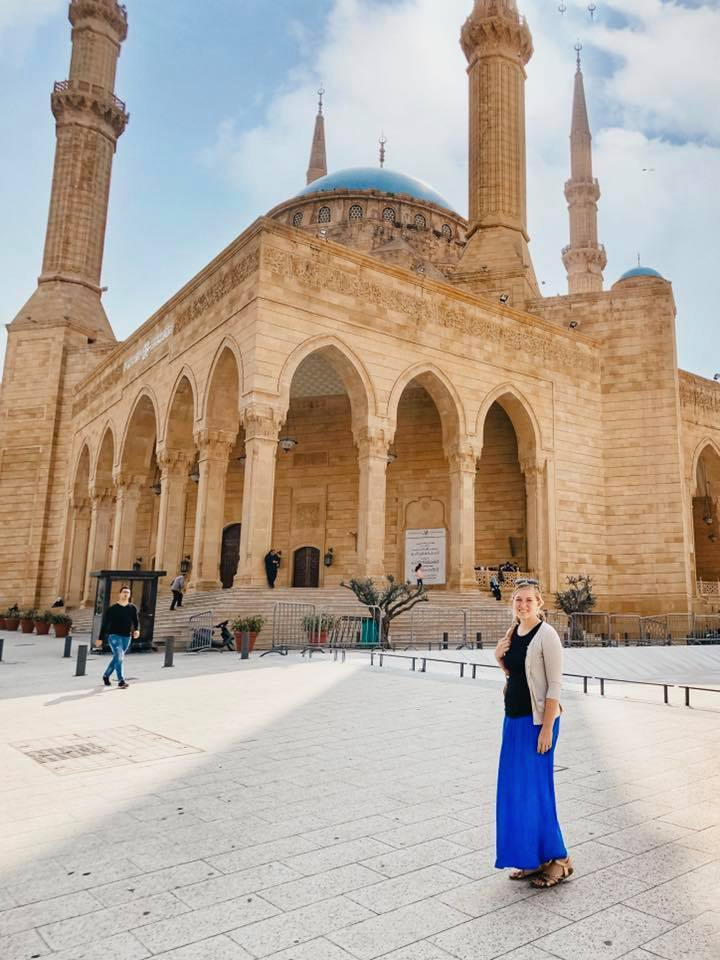
She is thirty-eight,
and I see her.
a glimpse of who
she used to be
still visible
in the mirror;
a reflection
that shows
she is growing into
someone,
who is
no longer fourteen,
nor nineteen, nor thirty.
She is at home
on a plane
and in transit
on the move
and in flight;
but not here,
and not there.
That life story
believed
would be hers
since she was
five, suddenly
gone.
When too many questions
made too many people
too uncomfortable
to permit her to
follow her dream
of making her
home
where that erstwhile world
named such places afar
as
“the mission field.”
She dreamed
it would be Africa,
then Madagascar.
Two decades she thought she’d
be living
a life where home
was a world-and-an-ocean away.
And now
nowhere
feels fully like home, and
everywhere
feels a little like
home.
That sweet summer child is
now strong and at
home
in the cracks in between
the ache
of the world.
I gather them all, yearning to tell them –
to my daughters, Wiam, and my 5-year-old self,
I recite:
“I would like to give her home for her birthday,
But we live differently now
And I can promise nothing like that.”
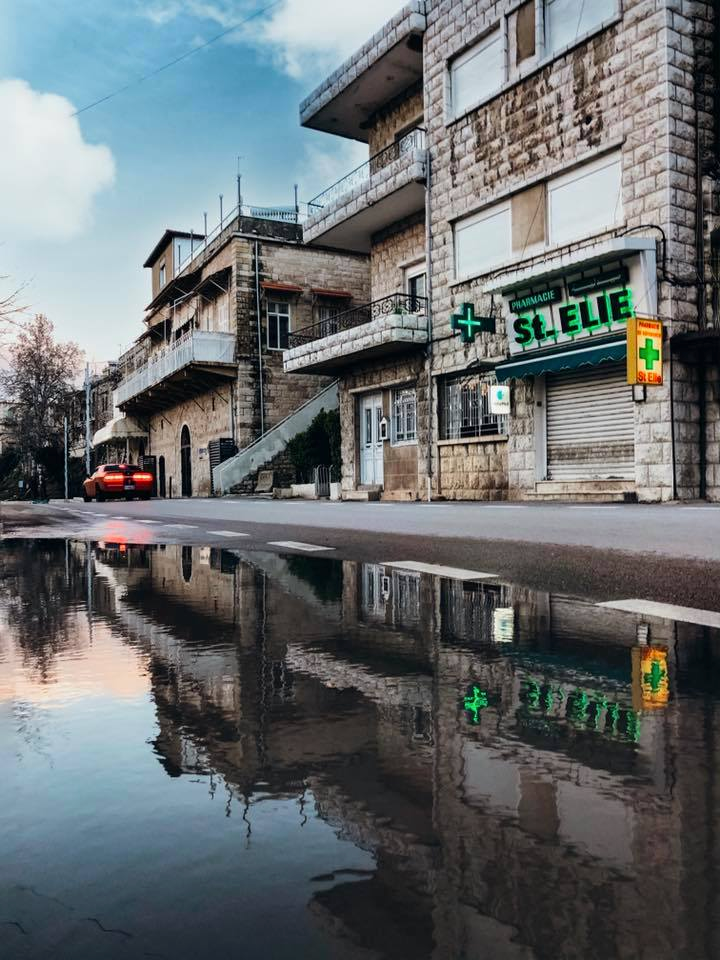
It is a different world now,
than it was
when I met young Wiam in the schoolyard.
And I wish
that Lebanon
had not been rocked by the blast in Beirut;
had not collapsed;
had not been forgotten by the West;
had felt more like
home
for the refugees
like Wiam,
like her mother.
So I ask
her teacher again,
“Is she still there?”
“Is she okay?”
And my heart feels at ease
that she’s still in a place
I can find on a map.
And I wonder,
if her eyes can still smile
today?
Her teacher, though,
just wants to go
home.
Where
home
is always, only,
Syria.
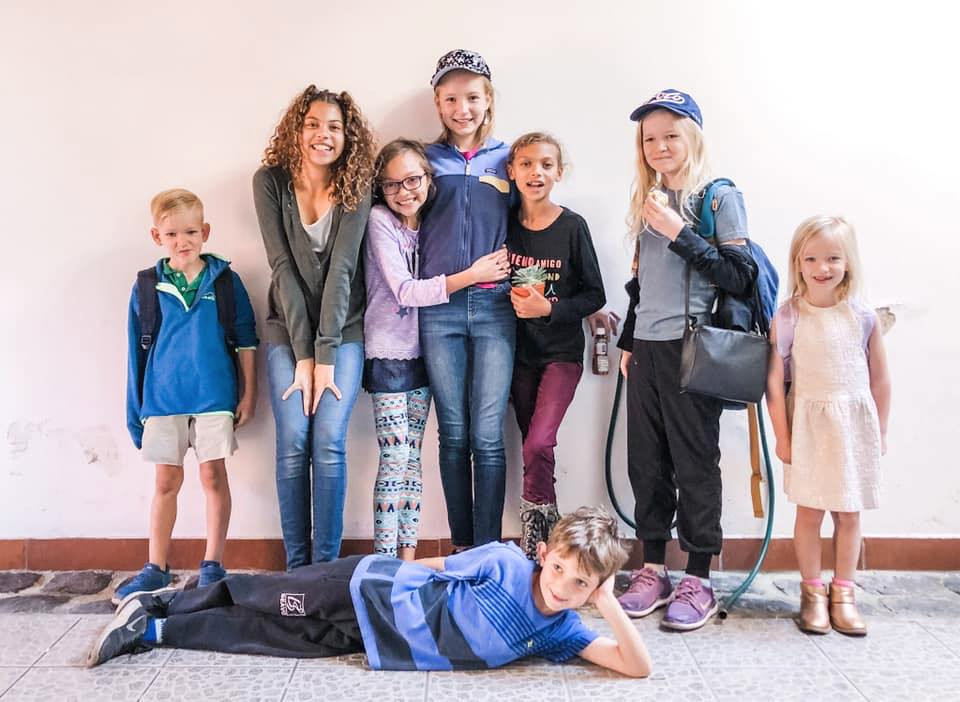
It’s a different world now,
Than when my daughter celebrated
her twelfth birthday
in Guatemala.
Where a neighborhood full of kids
from around the world,
from around the block
took turns swinging
at her piñata
filled with panda marshmallows and
tamarindo candies.
Feliz cumpleaños a ti, Hana Kate.
We were all so
carefree, laughing,
when it finally broke:
raining down sweets
in the first place that felt
like home for a while.
And then
February faded
into March —
the middle of March 2020 —
when it broke:
the whole world as we knew it.
We were all so
hopeful, optimistic.
as
my family took
the second to last flight out
of the place
that had started to feel
something like
home,
AA 983.
And I wish
so much that
your adolescence
had not been stolen;
had not been changed;
had kept you safe from this pain —
for all the young teenage girls —
but especially you,
Hana Kate.
For you,
have turned
from twelve
to fourteen
while we
watch
the world
burn.
It is a different world
now
than it was
for that shy,
zealous girl
under pressure to proselytize;
not knowing
how to love, or
how good intentions
could still
bring so much
harm.
And I wish
that so much
of your first decade
of adulthood
had not caused you such pain;
had not caused you this trauma;
had not kept you from
knowing
who you could be
as a woman.
Displaced,
in a world
where they told you
your life
must be dictated
by men.
I want to gather us all,
to say –
if I cannot give you
home,
I give you this:
knowledge,
that you have
power
over your story;
agency,
in making sense
of the narrative that
will shape you;
yet it is one
only
you can shape
as choose how
to tell it.
I say to myself
In the words of Abani,
“If the road is kind,
One day I will arrive.”
So, make the road kind,
and make the world home:
at least in the place
where you are at this moment.
Make someone’s flight
from their home
feel a little bit
safer.
And help them land slightly
softer,
amidst this strange place
where their
hearts too are
yearning for
home.
I wish I could promise you
it will go back to
normal.
Or that somewhere,
somehow
we’ll find
home
anew.
“But we live differently now.”
So,
I hope
that one day
your eyes
will
smile again.
I hope
that one day
your eyes
will see
just
how strong
you are.
And I hope
that one day
your eyes
will see
you have
arrived
in a world
you’ve made kind.
And perhaps
that will feel
like
home
for a while.
Submitted,
1 day before
my eldest daughter’s beloved,
Bluebell,
took her last breath —
days after birthing her stillborn calf
even after we revived her
with an IV
and our vet said
we’d done everything right,
and after my daughter
cradled
her cow’s head
into the night.
4 days before
the whispers of war
became the thunderously loud reality of Putin’s all-out
war
on Ukraine,
which has now left over 1.5 million people without a home,
displaced.
And we watch this horror unfold,
and sometimes it
leaves you numb and
unable to feel
anything
at all.
Write to the author Responses come to Keren privately by email.
Originally published on Medium, Mar 7, 2022. Read it on Medium →
© Keren Threlfall. To reprint or use this work, write to keren@kerenthrelfall.com.
How to cite this pieceThrelfall, Keren. “Daughters of Liminality.” kerenthrelfall.com, Mar 7, 2022. https://kerenthrelfall.com/writing/daughters-of-liminality